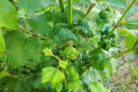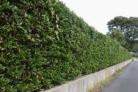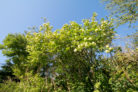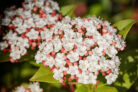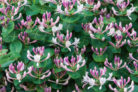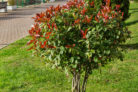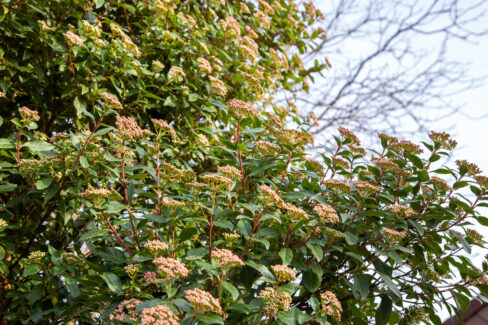
When the Laurustinus (bot. *Viburnum tinus*) bursts into full bloom in late winter, it’s pretty much impossible to resist its charm. Those leathery, dark green leaves only add to its beauty. But if you have one in your garden, you might be wondering: how exactly do I prune this shrub?
Does a Laurustinus need regular pruning?
The Laurustinus—also known as the Mediterranean Viburnum—doesn’t strictly *need* a regular haircut, but it certainly handles one well. Pruning is a great way to keep the shrub in shape or to train a young plant into a formal “standard” (a little tree shape) or a tidy globe.
Since this Viburnum is only moderately winter-hardy, it can sometimes suffer from frost damage or minor “freezer burn” on the tips. If that happens, just snip the affected shoots back until you hit healthy wood. Just a quick tip: wait until the frost period is definitely over before you grab the shears, otherwise you might risk new damage to the fresh cuts.
When is the best time to prune?
The blooming season for this Viburnum usually lasts until April. Once the flowers fade, that’s your green light to prune! Shorten any shoots that have gotten a bit too leggy and give the shrub a light shaping every two to three years to keep it looking its best.
What should I keep in mind while pruning?
First and foremost, look out for yourself! The Laurustinus is toxic in all its parts. This includes the sap, which can irritate your skin when you’re cutting the branches. I always recommend wearing gloves when working with this plant, and if you’re doing a major overhaul, go ahead and throw on a long-sleeved shirt just to be safe.
What is its natural growth habit?
Left to its own devices, the Laurustinus has a fairly loose, upright growth habit, looking like a large shrub or a small tree. Without pruning, it can reach heights of up to 11 or 12 feet, while staying relatively slim at about 3 feet wide. Because of its airy structure, it’s only “okay” as a privacy screen—don’t expect a solid wall of green. The leaves are a gorgeous glossy dark green and have a classic oval or elliptical shape.
The Quick Essentials:
- Regular pruning isn’t mandatory, but it’s totally fine to do.
- The best time to prune is late spring, right after the flowers fade.
- Stick to a light, gentle trim rather than a heavy hack-job.
- Always use clean, sharp garden shears.
- Wear gloves (the plant is slightly toxic).
Pro Tip: You can usually avoid pruning for frost damage altogether by picking a sheltered planting spot or moving potted plants to a frost-free area for the winter.