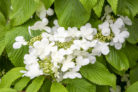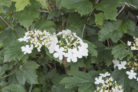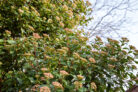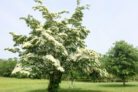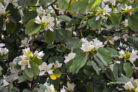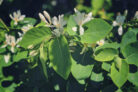
*Viburnum tinus* goes by a few different names, and they all tell you a little something about the plant. You might hear it called “Laurustinus” because its leaves look so much like Laurel, or “Mediterranean Viburnum,” which hints at its sunny roots. But what really makes this shrub a standout in any garden is its unique blooming schedule.
When does the Laurustinus bloom?
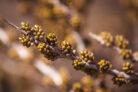
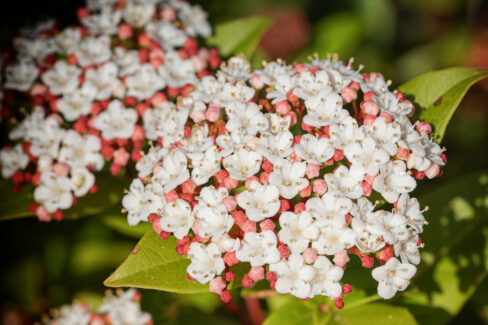
The Laurustinus is a true winter warrior. While most of the garden is sleeping, this evergreen starts showing off its white or pinkish buds around November. However, the real show—the main bloom—kicks off in March and lasts through April. Since this viburnum is only moderately cold-hardy, it’ll need a little extra TLC from you during these chilly months.
Flowers and Fruit of the Mediterranean Viburnum:
- Bloom start: Beginning in November
- Peak bloom: March and April
- Fragrance: Lightly scented
- Colors: White and pinkish-red
- Shape: Flat-topped clusters (cymes)
- Post-bloom: Develops fruit after flowering
- Toxicity: Berries are poisonous
- Fruit type: Stone fruit (drupe)
- Fruit color: Metallic blue to black
Caring for your Viburnum during the bloom
Just like any other plant, a Viburnum gets pretty thirsty when it’s flowering. But since this one blooms in the dead of winter, watering can be a bit tricky. If you’re growing your shrub in a container, I recommend moving it to a frost-free spot indoors for the winter. That way, you can keep up with a regular watering schedule without any drama.
If you live in a milder climate with light winters, your Viburnum will do just fine in the ground. Just make sure you pick a planting spot that’s sheltered from those biting, icy winds, which can cause some nasty freezer burn on the leaves.
How do I protect my Viburnum from frost?
When the temperature drops, give your *Viburnum tinus* a cozy blanket. Cover the root ball with a thick layer of mulch or brushwood to keep the ground from freezing solid. For the shrub itself, you can loosely wrap it in garden fleece—just make sure it can still breathe! Most importantly: don’t forget to water it on frost-free days. More often than not, winter “winterkill” is actually the plant dying of thirst, not the cold.
If you wake up in spring and notice a few brown, frost-damaged tips, don’t panic! It’s not the end of the world. Just prune those damaged ends off once the weather warms up. The plant is resilient and will push out fresh new growth in no time.
Quick Tip: Since it’s an evergreen, the Laurustinus keeps its leaves all year—which means it needs a steady supply of water even in the winter.