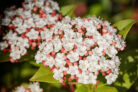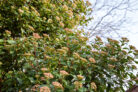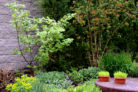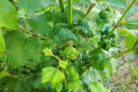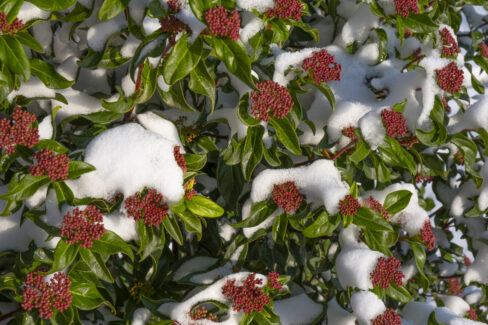
If you’re looking to add some year-round greenery to your yard, the Laurustinus Viburnum (*Viburnum tinus*) is a fantastic choice. Often called the Mediterranean Viburnum, this evergreen beauty is considered “semi-hardy.” While it doesn’t love long, brutal stretches of deep freeze—especially since it blooms during the winter—it has become a staple in many of our gardens.
How much cold can my Viburnum tinus actually handle?
When we say a plant is “semi-hardy,” it means it can handle a light frost for a short period without much trouble. However, to keep it looking its best, you’ll usually want to provide some winter protection to prevent frostbite. I recommend giving your Viburnum a little extra love: a thick layer of mulch, straw, or evergreen boughs will help keep the root ball cozy. If a real cold snap is headed your way, you can loosely wrap the branches in some garden fleece or burlap.
Winter care tips for your Viburnum
One of the best things about this shrub is how low-maintenance it is. But remember, because it’s an evergreen and actually starts its blooming season in the winter, it still needs plenty of hydration. If you’re having a dry winter, make sure to give it a drink on days when the ground isn’t frozen.
Believe it or not, these shrubs are often more likely to die from thirst than from the cold! If you’re growing yours in a container, be extra careful—the root ball is much more vulnerable to freezing in a pot. Try wrapping the container in an old blanket or moving it to a bright, frost-free spot like a garage or sunroom for the winter.
What if my plant gets frost damage?
If your *Viburnum tinus* does take a hit from the frost, don’t panic. Just prune the damaged shoots back until you hit healthy wood. In most cases, the plant will bounce back and sprout new growth without a problem. The only real “game over” scenario is if the root ball freezes solid—at that point, the plant usually can’t be saved.
Quick Facts & Takeaways:
- Semi-hardy; can handle brief periods of frost.
- Usually recovers well from minor frost damage.
- Native to the Mediterranean.
- Very popular in the UK and milder climates.
- Winter bloomer (starting as early as November).
- Peak bloom time: March and April.
- Thrives in mild climates (like wine-growing regions).
- Needs a sheltered spot away from icy winter winds.
- Winter protection (mulch/fleece) is a good idea.
- Container plants need extra root protection.
Pro Tip: If you live in a region with harsh winters and grow your Viburnum in a pot, your best bet is to bring it indoors to a frost-free area until spring.