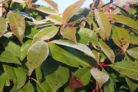
Viburnum is generally known for being a pretty tough customer in the garden. However, even the hardiest shrubs can run into trouble sometimes. In our neck of the woods, fungal diseases—especially powdery mildew—are the most common culprits.
In this guide, I’ll walk you through how to:
- Prevent fungal issues before they start,
- Spot the signs of an infection, and
- Fix the problem if your plant gets sick.
Prevention
The best defense is a good offense, and that starts the moment you put your Viburnum in the ground. Choosing the right sunny spot is key because a happy, sun-soaked plant grows much stronger. And as we know, strong plants are way better at fighting off diseases than stressed ones! Keeping up with regular pruning and giving it a little fertilizer when needed will keep your shrub in tip-top shape.
Pro tip: Always clean your garden tools after using them on other plants. It’s super easy for spores to hitch a ride on your shears and spread from one bush to another.
Also, make sure to rake up fallen leaves around the base of the plant. When old leaves sit on damp soil, they become a breeding ground for fungi like powdery mildew. All it takes is a little wind or a splash of rain to send those spores right back up onto your Viburnum.
Spotting the Signs
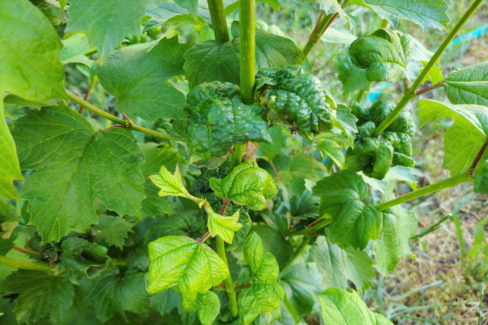
Fungal infections usually make themselves pretty obvious if you know what to look for. Keep an eye out for these telltale signs:
- White, patchy coating on the leaves (looks like a dusting of flour)
- Brown, dirty-looking spots on the foliage
- Stunted or shriveled leaves and flowers
How to Fix It
Sometimes, despite our best efforts, a fungus still takes hold. The good news? Most fungi, especially powdery mildew, won’t usually kill your Viburnum. However, they can weaken the plant and spread to your more sensitive garden favorites. Before you reach for the heavy-duty chemicals, try these steps:
- Prune away any infected branches and leaves—don’t be afraid to be a bit aggressive with the shears.
- Throw the clippings in the trash. Whatever you do, do not put them in your compost pile!
- Try to keep the foliage as dry as possible.
- Keep a close eye on the plant and do a second round of pruning if the spots come back.
For powdery mildew specifically, you can actually use a home remedy: raw milk! Mix one part raw milk with eight parts water and spray it on the remaining leaves after pruning. Repeat the process every few days, and your Viburnum should be back to its beautiful self in no time.