Some flowers are just a bit more “exclusive” than others. Whether they need super specific conditions to thrive or have simply become rare sights in the wild, these botanical gems are always a treat to find. Today, I’m sharing seven of the most beloved rare flowers, plus a little “insider tip” for your garden!
[[pflanzen]]
++Dittany, Burning Bush (Dictamnus albus)
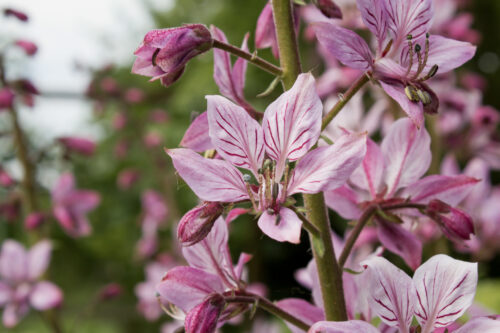
This stunning perennial from the citrus family is a bit of a diva—it only grows in warm spots with nutrient-poor, lime-rich soil. Because its natural habitat is shrinking, it’s been a protected species since 1936. It grows up to four feet tall with lovely feathered leaves and dense clusters of pink flowers that smell amazing, like a mix of vanilla and lemon. Fun fact: on hot days, the plant releases essential oils that can actually catch fire, giving it the nickname “Burning Bush.”
++Golden Flax (Linum flavum)
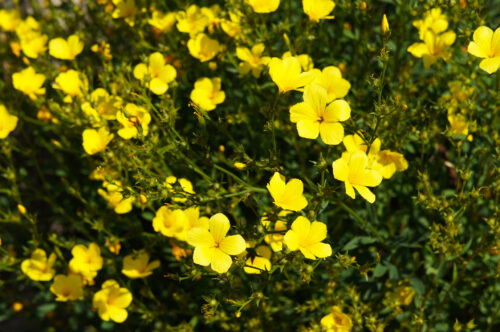
With its bright, funnel-shaped golden blooms popping against blue-green foliage, this wild perennial is a total head-turner. While it used to be common across Europe, it’s now highly endangered, with only a few hundred plants left in the wild. The good news? It’s totally hardy! You can grow it in your own backyard as long as you give it a sunny spot and lean, well-drained soil.
++Lady’s Slipper Orchid (Cypripedium calceolus)
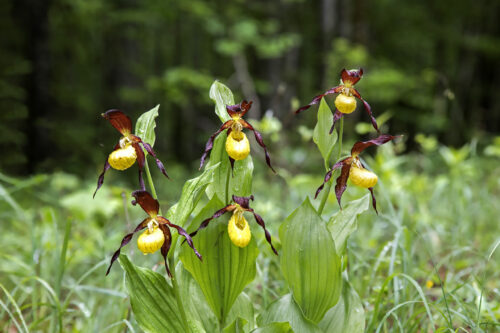
Many flower lovers consider the Lady’s Slipper to be the most beautiful wild orchid out there. In the wild, it hides in light, lime-rich forests and can reach about two feet in height. The blooms, which appear from May to June, are fascinating: they feature chocolate-brown petals surrounding a bright yellow, shiny “pouch” that looks just like a slipper. This pouch actually acts as a slippery trap for insects, which is key for the plant’s pollination!
++Snake’s Head Fritillary (Fritillaria meleagris)
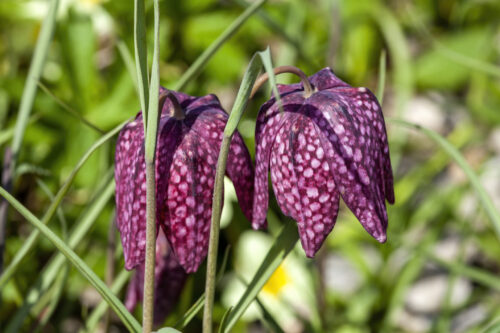
This unique bulb has become quite rare because the marshy meadows and wetlands it loves are disappearing. Growing about a foot tall, each stem carries a nodding, bell-shaped flower. The petals have a stunning purple-and-white checkered pattern—hence the name! You’ll occasionally find pure white versions too, which look incredibly elegant in a spring garden.
++Arnica (Arnica montana)
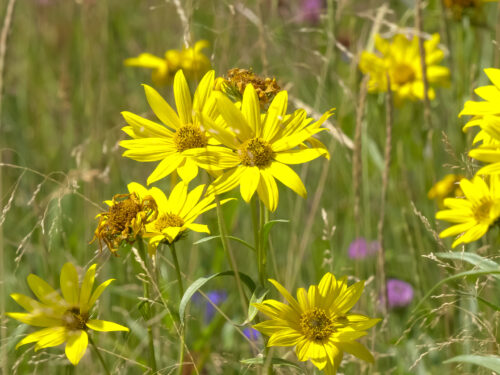
The famous herbalist Sebastian Kneipp once called Arnica one of our most valuable medicinal plants. Sadly, as wetlands continue to be drained, this beauty is becoming harder to find in the wild. Arnica has fuzzy stems and leaves, and starting in June, it opens up into large, radiant yellow daisy-like flowers that have a very distinct, aromatic scent.
++Cornflower (Centaurea cyanus L.)
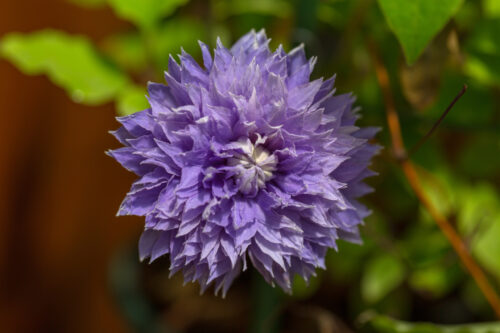
It’s hard to believe, but the iconic blue cornflower was once treated as a pesky weed by farmers because it competed with grain crops. Because of modern farming, it’s actually become quite rare in the wild. However, gardeners love that intense blue color! It’s now a staple in many backyard flower beds, where it can keep blooming beautifully all the way into October.
++Edelweiss (Leontopodium alpinum)
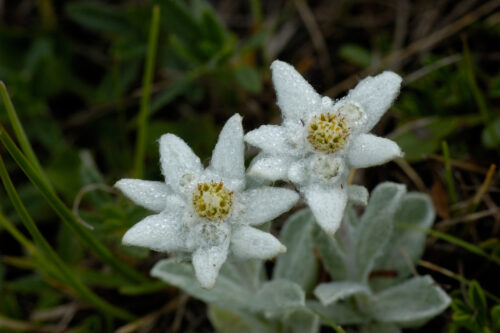
The ultimate star of the Alps! Edelweiss has been a protected species since 1886. Even if you’ve never seen one in person, you’d recognize those silvery-white, fuzzy “stars” anywhere. The whole plant is covered in soft hairs to protect it from the harsh mountain sun. While it usually grows in hard-to-reach rocky spots, it actually does surprisingly well in a sunny rock garden at home.
%%Martagon Lily (Lilium martagon)
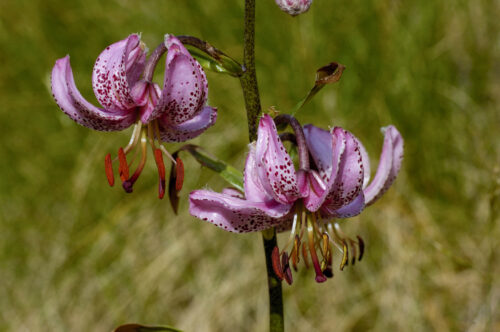
Here is my secret tip: the Martagon Lily. Very few flowers look as dramatic against a backdrop of dark green shrubs as this one. The petals curl backward so tightly that the flower looks like a little turban. Because it loves cool, semi-shaded spots, it’s struggling a bit with climate change in the wild. It can be a little picky in the garden too, but if you have the right spot, it’s absolutely worth the effort!