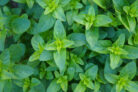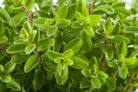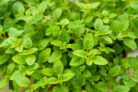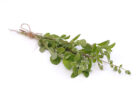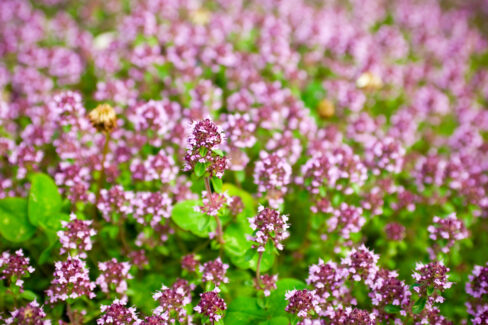
Almost as soon as those first sturdy shoots pop up after sowing, it’s time to start thinking about harvest! Most of us keep our marjoram trimmed so often throughout the summer that the plant never actually gets a chance to flower. But, if your herb garden is growing faster than you can cook, you’ll eventually see some pretty little blossoms start to peek through.
Blooming season runs from June to September
Depending on the weather, marjoram usually opens its buds sometime between June and September. The more sun it gets, the earlier those flowers will show up. Timing also depends on how you started your plants. If you started your seeds indoors back in February and transplanted them into the garden as established plants, you might see blooms as early as June. However, if you chose to sow seeds directly in the ground, you have to wait until the frost risk passes in mid-May, which pushes the blooming schedule back a bit.
Pro Tip:
If you’re tired of replanting every single year, you might want to try Wild Marjoram, better known as oregano. Oregano is a hardy perennial (meaning it comes back every year) and generally has a much punchier, more intense flavor.
What do the flowers look like?
Marjoram is part of the mint family (*Lamiaceae*), so it sports those classic “labiate” or lip-shaped flowers. While most plants in this family look similar, the subtle differences lie in the size and color. About two months after sowing, you’ll notice “false spikes” forming at the tips of the stems.
- These spikes hold clusters of many tiny flower heads.
- The signature lip-shaped flowers are very small.
- Colors range from pure white to a soft, pale pink/red.
- They give off a wonderful, sweet fragrance.
What blooming means for your harvest
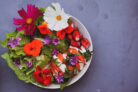
Good news: you can absolutely keep cutting and pruning your marjoram during and even after it flowers. While the aroma might be a little less intense than it was in the spring, it’s still plenty flavorful for your favorite recipes. Don’t believe the myth that you have to stop harvesting once the flowers appear! In fact, the blossoms themselves are totally edible and make a gorgeous garnish for summer dishes.
The secret to peak flavor: Just before the bloom
If you’re looking for the absolute strongest flavor, catch the plant right before the buds open. This is when the essential oils in the leaves are at their peak concentration. If you’re planning to dry your herbs for winter storage, this is the best time for a big harvest—the extra-strong flavor helps make up for the little bit of punch lost during the drying process. I wouldn’t recommend freezing marjoram, though, as it tends to lose way too much of its character that way.