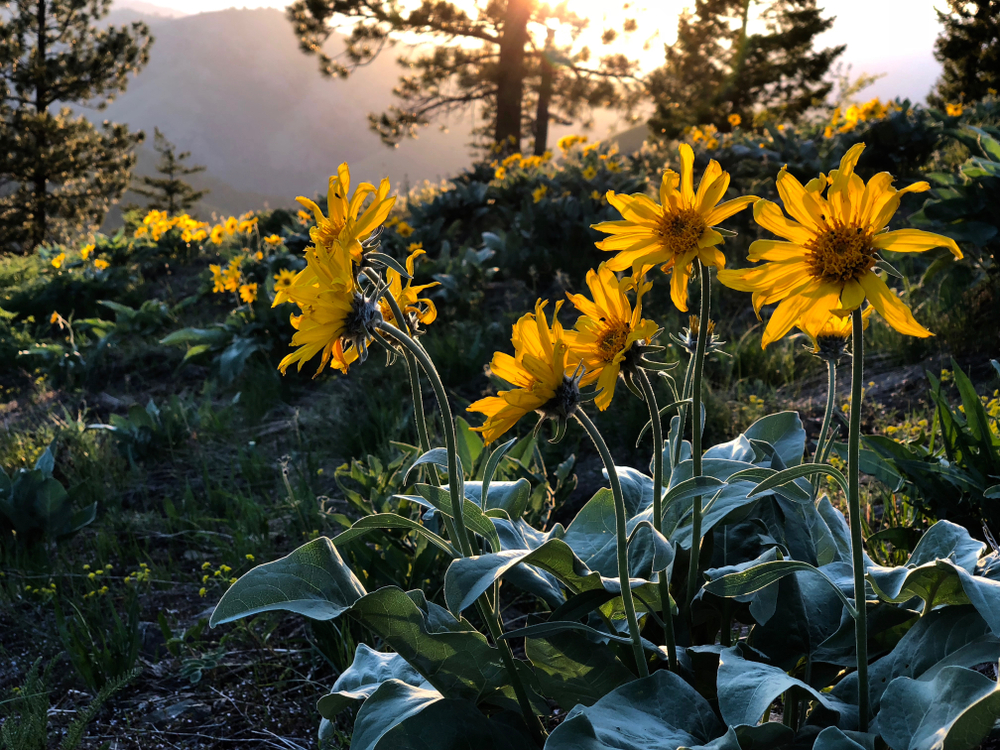
Mountain Arnica has been a superstar of the medicinal plant world for centuries. Unfortunately, it was almost loved to death—over-harvesting in the wild nearly wiped it out. Today, it’s a protected species. To keep its healing powers available without hurting wild populations, experts have turned to controlled wild harvesting and commercial farming.
Arnica at a Glance: The Quick Facts
If you want to spot this beauty in the wild (or your backyard), you’ve got to know what you’re looking for. Here’s the lowdown:
- Arnica is a medicinal herb and a member of the Aster family (Asteraceae).
- It’s native to the high-altitude regions of many European countries.
- Its botanical name is *Arnica montana*.
- You might also hear it called Wolf’s Bane or Mountain Tobacco.
- It’s a fan of slightly acidic soil.
- It can grow up to 24 inches (60 cm) tall.
- Bloom time is typically between July and September.
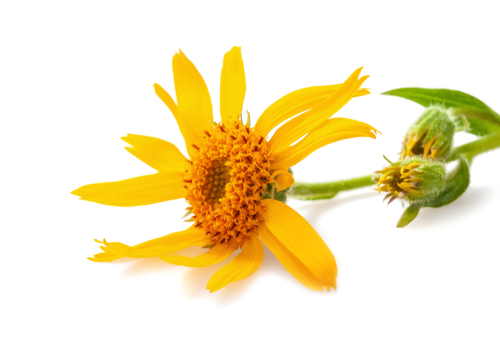
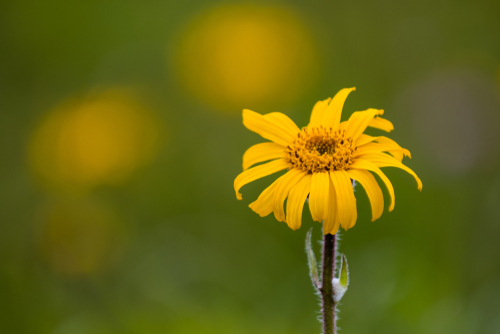
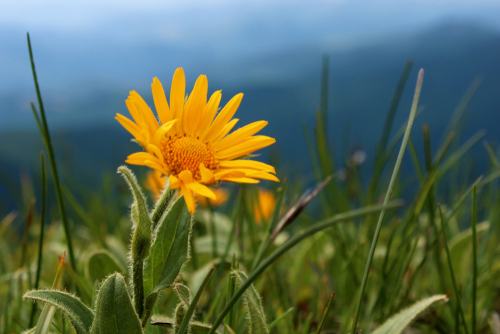
- The flowers are a brilliant yellow and can reach about 3 inches (8 cm) in diameter.
- The light green, fuzzy, lance-shaped leaves grow in a flat rosette close to the ground.
- It is incredibly hardy and can handle cold winters with ease.
What Makes the Blooms Special?
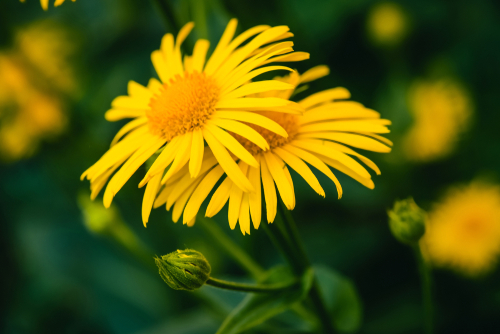
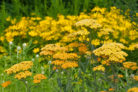
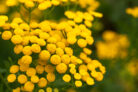
The bright orange-yellow flower heads have a wonderful aromatic scent. They always look a little “shaggy” or windswept because of how the ray florets sit around the honey-yellow center disk. If you look closely at the edges, you’ll see the characteristic three-toothed petals. Each plant usually produces at least one flower, but rarely more than three.
How Arnica is Used
Arnica is an ancient remedy with a long history. It’s incredibly versatile, and you’ll often find it in tinctures, infusions, and ointments. It’s a go-to for external treatment of:
- Sore muscles
- Thrombosis
- Varicose veins
- Joint inflammation
- Bruises
- Sprains
- Contusions
- Neuralgia
- Abscesses
- Poorly healing wounds
A quick heads-up: Arnica can be a bit intense for some people. It has a high potential for causing allergic reactions, so use it with caution. If you have sensitive skin, it might cause irritation or a rash. Generally, it should only be used topically (on the skin). In homeopathy, it’s used internally, but only in extremely diluted forms.
Finding the Right Spot in Your Garden
Since wild Arnica is protected and you can’t just go digging it up or picking it, the best way to enjoy it is to grow your own! With a little luck and the right spot, you’ll see your first blooms by the third year. The key is the location: Arnica loves full sun, though it will tolerate very light partial shade. Make sure your soil is slightly acidic, well-draining, and relatively low in nutrients—it doesn’t need “rich” soil to thrive.