Raspberries aren’t just delicious; they’re actually pretty low-maintenance guests in the garden. They’re tough enough to grow in less-than-ideal conditions or even in nutrient-poor soil. However, if you want a bumper crop of juicy berries, a little extra feeding goes a long way in boosting both growth and yield.
Start Strong: Fertilizing at Planting Time
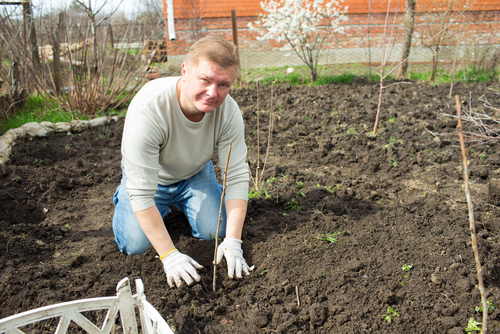
When you first put your raspberry canes in the ground, you’ll want to enrich the soil right away. This gives your plants the best possible head start. One pro tip: avoid spots where other berry bushes have grown recently. Berries are heavy feeders and tend to leave the soil “tired” and depleted. It usually takes a few years for the ground to fully recover from a previous berry patch.
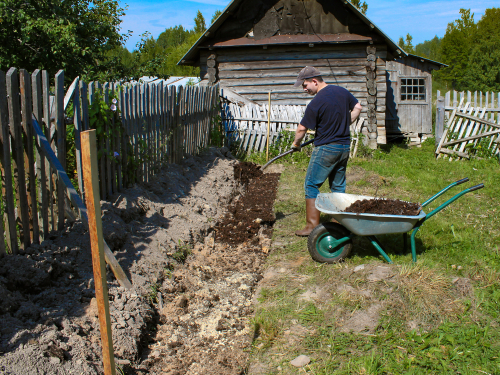
Before your raspberries move into their new home, prep the site by loosening the soil deeply and mixing in some organic goodness. Great options include:
- Mature compost
- Horn shavings (a classic slow-release nitrogen source)
- Nettle tea
- Peat (though see my note below!)
- Well-rotted manure
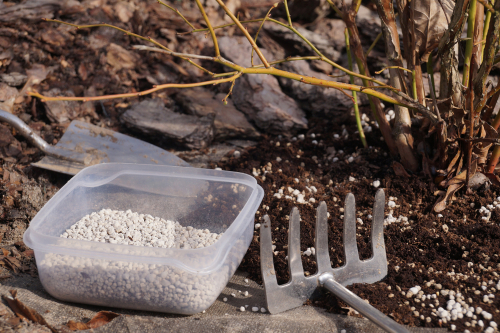
If you prefer a store-bought berry fertilizer, just double-check the label. You’ll want something low in lime and chloride, as raspberries are pretty sensitive to both.
Keeping the Momentum: Seasonal Feeding
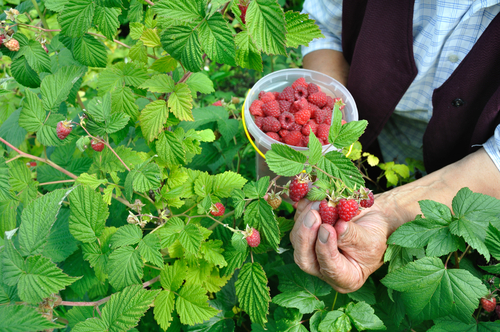
Beyond that initial boost, your raspberries will appreciate a little “pick-me-up” during the growing season—specifically before they start fruiting. I recommend fertilizing twice a year: once in the spring and again right after the harvest. That first round ensures the plant has the energy to produce plenty of fruit, while the post-harvest feeding helps the plant store energy to come back strong next year.
One thing to watch out for: avoid fertilizing right before you pick the berries. It can actually mess with the flavor, sometimes making those sweet berries taste a bit watery.
The Magic of Mulching
If you want to work smarter, not harder, try mulching! Mulching is a total game-changer because it suppresses weeds and helps prevent various diseases.
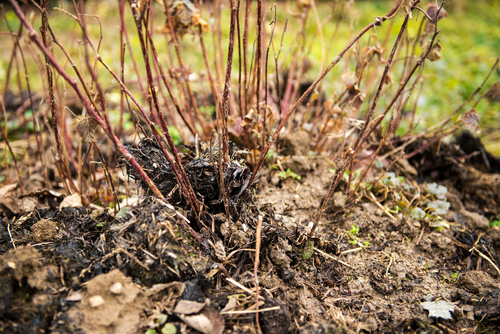
A good layer of mulch keeps the soil consistently moist, which is exactly how raspberries like it. But how does mulching count as fertilizing? Well, as that organic material breaks down over time, it slowly releases nutrients directly into the soil. It’s like a natural, slow-release feeding system. You can use:
- Bark mulch
- Grass clippings
- Fallen autumn leaves
- Peat
If you’re using leaves, make sure they’re healthy and free of spots to avoid spreading fungal issues. For grass clippings, keep them finely chopped so they don’t mat down into a solid clump. And a quick note on peat: while it works, it’s not the most eco-friendly choice. Whenever possible, it’s better to leave peat in the bogs where it belongs and stick to compost or leaves!