Whether you’ve spotted it in your backyard or along a sunny roadside, red clover is hard to miss with those cheerful pink blooms popping up all summer long. But while it’s definitely a looker, keeping an eye on its flowering schedule is about more than just enjoying the view. If you want to keep it from taking over your entire garden, timing is everything. Here’s the lowdown on what you need to know.
When Does Red Clover Bloom?
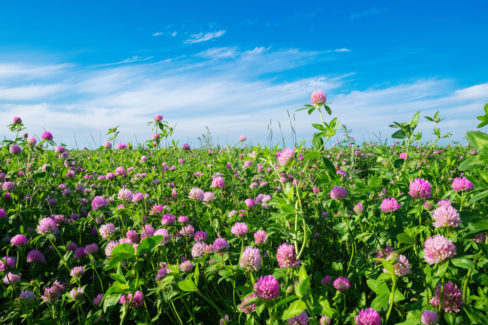
If the weather is playing nice, you might see red clover buds starting to open as early as April. By May at the latest, those iconic globe-shaped, pinkish-red flowers start appearing in fields, meadows, and lawns. Each “flower” is actually a cluster of many tiny individual blossoms.
The best part (or the worst, depending on your perspective!) is that red clover is a marathon bloomer. It keeps producing new buds all the way through October.
Staying Ahead of the Spread
Red clover is a bit of a double threat when it comes to spreading: it grows via underground runners (rhizomes) and through its seeds. Those pretty pink globes eventually turn into seed heads, and once the wind catches them, they’ll hitch a ride to every corner of your yard. Before you know it, you’ve got a clover takeover that might start crowding out your other plants.
If you aren’t looking to start a clover farm, you’ve got to act fast. You’ll want to remove the plants from your lawn before they finish blooming and drop their seeds. Unfortunately, there’s no real shortcut here—it usually requires some good old-fashioned weeding. While keeping your grass mowed helps, it won’t stop the clover from spreading through its root system. To really get the job done, grab a spade and dig out the plants, roots and all.
Pro Tip: Don’t just toss those clippings in the bin! Did you know red clover flowers are actually edible? They have a unique, slightly sweet flavor that makes a fantastic garnish for summer salads. Give it a try!
A Vital Source of Nectar
If you’re a gardener who loves supporting local wildlife, you might want to hold off on the mower for as long as possible. As pesky as red clover can be in a manicured flower bed, it’s a goldmine for pollinators. These flowers are a major nectar source during the summer months, providing a much-needed feast for bees and bumblebees. If you can tolerate a little clover, your local fuzzy fliers will definitely thank you!