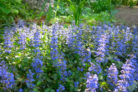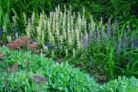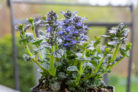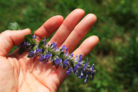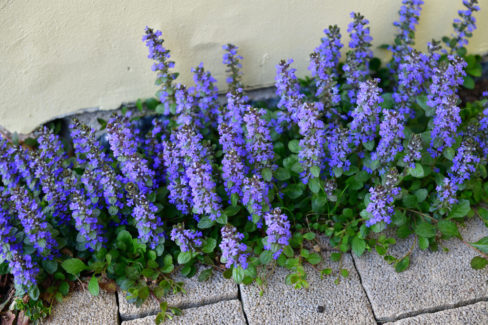
If you’re looking for a superstar groundcover, look no further than Bugleweed (Ajuga reptans). Its biggest claim to fame is how quickly it carpets bare spots with lush greenery. Because it’s such a vigorous grower, it’s fantastic at choking out pesky weeds before they even have a chance to start. Plus, it puts on a gorgeous floral show that lasts way longer than you might expect!
Starting in Late April
You’ll usually see the first blooms of Bugleweed popping up around late April. That colorful carpet keeps going strong through June or even July. But here’s a pro tip: with a little bit of know-how, you can actually stretch that blooming season all the way into August. All it takes is a quick session with your garden shears or a sharp knife.
Deadheading for More Flowers
The secret to a longer bloom is “deadheading”—basically, the faster and more often you trim off those faded flowers, the longer the plant will keep producing new ones. Here’s why: by mid-summer, the plant usually wants to shift its energy away from flowers and toward ripening seeds. If you snip off the spent blooms, the plant realizes it hasn’t made seeds yet and tries again by pushing out even more flowers.
Keeping Self-Seeding in Check
Trimming back those wilted flowers isn’t just about aesthetics; it’s also about crowd control. Bugleweed is a champ at spreading, and if you let the seeds ripen, it’ll start popping up everywhere. By cutting back the spent stalks, you keep it from wandering too far away from its designated spot in your garden.
Harvesting the Blooms
While you’ve got your shears out, don’t let those clippings go to waste! Believe it or not, Bugleweed is actually edible. You don’t want to go overboard with the leaves and stems—they have a very intense, bitter flavor that can be a bit much—but the flowers are much milder and quite pleasant.
Here are a few fun ways to use Bugleweed in the kitchen:
- As a savory herb/spice
- Brewed into a herbal tea
- Using the blossoms as a beautiful garnish for salads and desserts