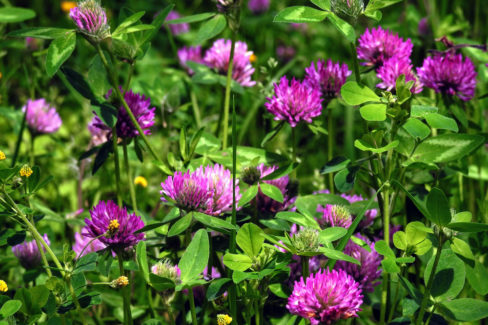
Red clover isn’t just a pretty face in the garden; it’s a total multitasker! Whether you’re looking to add some visual flair to your flower beds, grow your own healthy snacks for your pet rabbits, or even harvest some for yourself, red clover is a fantastic choice. Since a single plant doesn’t yield a huge harvest, your best bet is to grow a nice, lush patch. The easiest way to get there? Starting from seed.
In this guide, I’ll walk you through exactly how to get your red clover patch thriving, step-by-step.
Planting Guide
To make sure your red clover takes off, there are a few things to keep in mind. It’s not just about tossing seeds on the ground; you’ll want to make sure you’re meeting the plant’s specific needs before you get started.
What Red Clover Loves
To keep your clover happy, look for a spot that meets these criteria:
- Full sun to partial shade
- Nutrient-rich soil
- Neutral to slightly alkaline pH levels
- Consistently moist (but not soggy) soil
- Good drainage
Pro Tip: If your soil is a bit too acidic, try mixing in a little garden lime to balance things out.
Timing is Everything
You can sow red clover seeds directly outdoors anytime during the warmer months, from April through August. Don’t sweat those late spring frosts—clover is pretty hardy! Just keep in mind that as the summer heat cranks up, you’ll need to water your seedlings more often to keep them from drying out.
How to Sow Your Seeds
Follow these simple steps for a successful planting:
- Loosen up the soil in your chosen spot.
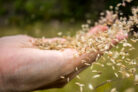
- Scatter the seeds, making sure not to crowd them too much.
- Red clover seeds need light to germinate! Only cover them with a very thin dusting of soil.
- Keep the soil consistently moist.
- Once they’ve grown a bit, thin them out so they are about 8 inches (20 cm) apart.
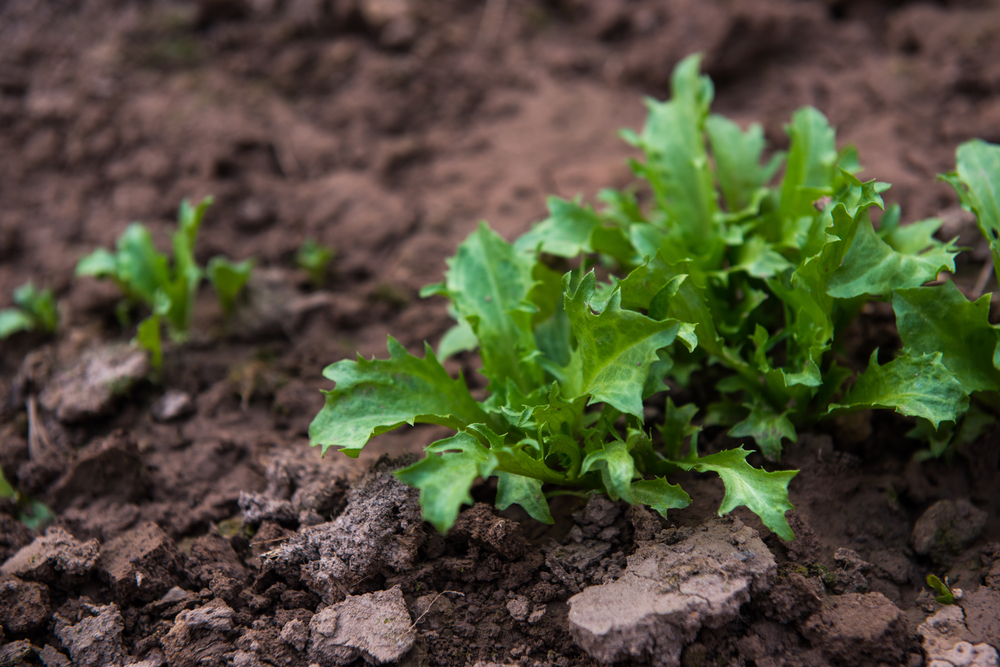
Pro Tip: Depending on the weather, you should see sprouts popping up in about three to seven days.
Can You Grow Red Clover in Containers?
You don’t necessarily have to plant red clover directly in the ground. In fact, you might want to think twice before putting it in your main garden beds! Red clover develops a long taproot and spreads like crazy via runners. After a few years, it can be nearly impossible to get rid of because it can regrow from even the tiniest piece of root left behind.
If you want more control, growing it in a pot is a great move. Just skip the shallow window boxes—that taproot can grow up to 6 feet deep in the wild! While you don’t need a 6-foot-deep pot, you should choose a container with some decent depth. Use the same rich, well-draining soil you’d use in the ground, and you’ll be good to go.