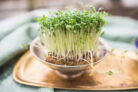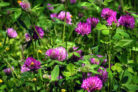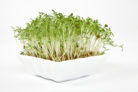
Sometimes it’s the smallest ingredients that give a dish that “wow” factor. The good news? You don’t need to be a Michelin-star chef or a professional botanist to whip up delicious, nutrient-packed salads. Growing your own red clover sprouts is a total breeze, even for a beginner gardener. Here’s my go-to guide on how to get it done.
What You’ll Need
Picking the Right Seeds
When you’re shopping for seeds, you’ve got to be a little picky. There’s a big difference between:
- Seeds meant for large-scale farming or “green manure” (soil cover)
- High-quality sprouting seeds
The first kind is really only meant for industrial use or livestock feed and belongs out in a field. For your kitchen, you’ll want to grab food-grade sprouting seeds from a health food store or a reputable online garden shop.
Pro Tip: Already have red clover growing in your backyard? You can definitely harvest your own seeds! Just keep in mind that DIY seeds can be a bit of a gamble since you can’t always guarantee they’ll sprout as consistently as professional-grade ones.
Step-by-Step Instructions
Getting red clover seeds to pop is quick and easy. While some people use jars, I personally recommend using a tiered seed sprouter—clover can be a bit finicky with airflow, and jars can sometimes lead to mold if you aren’t careful.
- Soak your seeds in water for a few hours.
- Spread them out in your sprouter.
- Give them a good rinse/mist every morning and evening.
Pro Tip: Your sprouts should be ready to harvest in about six to eight days!
The Health Benefits
Red clover sprouts are like tiny nutritional powerhouses. They are loaded with vitamins, tannins, minerals, and trace elements. Plus, they’re surprisingly high in protein, which makes them a fantastic addition to your diet if you’re looking for something that keeps you feeling full longer.
Pro Tip: Even though they’re super healthy, don’t go overboard right away. Eating huge amounts can sometimes cause an upset stomach or digestion issues if you have a sensitive tummy. Allergies are rare, but it’s always smart to start with a small sprinkle first.
Flavor and How to Use Them
You can actually eat raw red clover seeds and flowers, too! They have a very subtle, mild flavor. However, sprouted red clover is even more delicate and easy on the palate. I love tossing a handful over a piece of avocado toast, blending them into a green smoothie, or using them to add a healthy crunch to a fresh summer salad.