Endive is one of those awesome salad greens that you don’t even have to think about until later in the season. Since it’s a late-season crop, you can keep harvesting well into the winter months, giving you fresh, homegrown greens when the rest of the garden is starting to go dormant. Here is everything you need to know about getting your endive started.
Starting Seeds Indoors vs. Direct Sowing
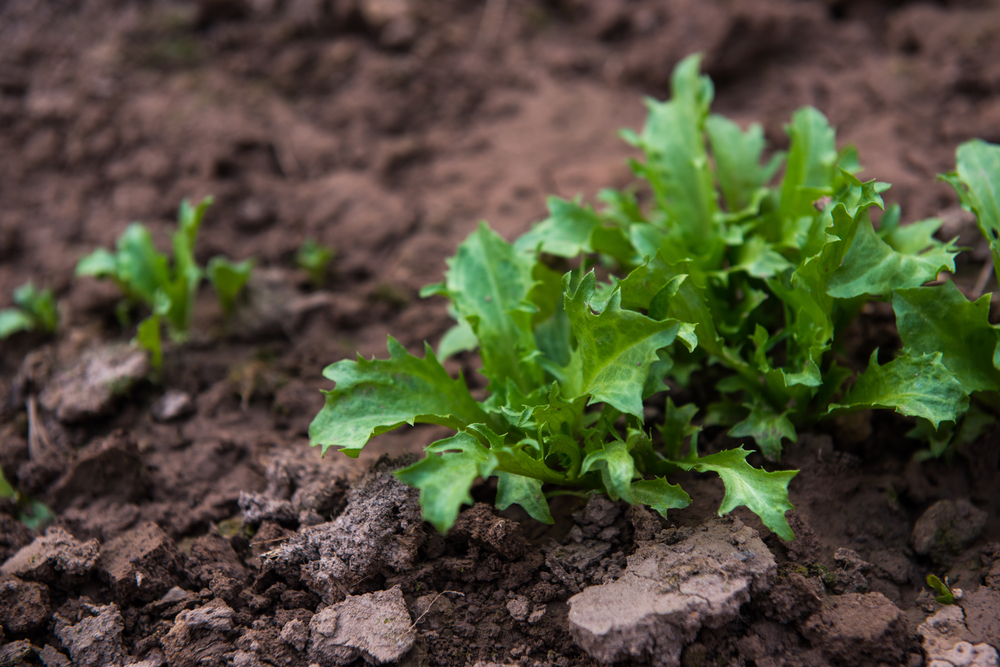
A lot of gardeners like to get a head start by seed-starting endive indoors, but you can definitely sow them directly into your garden beds too. Since they are late bloomers anyway, there’s no rush! If you want to start them indoors, seed trays or even recycled egg cartons work great. Aim to start your seeds in June so the seedlings are sturdy enough to transplant outside by July. Just keep them somewhere warm—around 70°F is the sweet spot for germination.
That said, direct sowing is just as easy. By June, the threat of frost is long gone, so you don’t *have* to start them inside. The most important thing is picking the right spot: your endive needs plenty of sunshine. If they grow in the shade, they tend to get way too bitter. Plus, extra sunlight helps lower the nitrate levels in the leaves, making them even healthier.
You’ll want to plant your seeds between June and July, though the exact timing can vary depending on the specific endive variety you choose. Plant them about half an inch deep and space them about 12 inches apart to give them room to breathe. It usually takes about three months from seed to harvest, which means you’ll be tossing fresh salads in October and November. Some hardy varieties will even keep going until December!
Caring for Your Endive After Planting
Endive plants are pretty hungry, so they need nutrient-rich soil to really thrive. My best tip? Mix a generous amount of compost into the soil before you even put your seeds in the ground.
When the plants are young, they’re a bit high-maintenance and need consistent watering—don’t let those little seedlings dry out! As they get older, they become much more self-sufficient. In fact, once they’re established, you should actually dial back the watering a bit to prevent root rot.
If you prepped your soil with compost, you won’t need to worry about extra fertilizer later on. Endive is also a “friendly” neighbor and gets along with most other plants in the garden. If you’re looking for the perfect companion plants, try tucking them in near:
- Anything in the cabbage family (kale, broccoli, bok choy, etc.)
- Carrots
- Leeks or onions
- Fennel