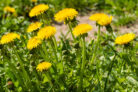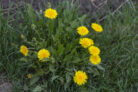
Dandelions are way more than just common garden weeds! As a wild medicinal herb, they’re packed with health benefits for us humans. Dandelion foodies love using the leaves for a fresh, healthy wild herb salad or extracting the blossoms to make delicious “dandelion honey.” Plus, your local bee population will definitely thank you for letting these little yellow flowers bloom.
Dandelion Propagation via Self-Seeding
If you already have a few dandelions popping up in your yard, you usually don’t need to worry about manual sowing. These plants are experts at spreading themselves thanks to those iconic fluffy white seed heads—often called “wish puffs” or “clocks.”
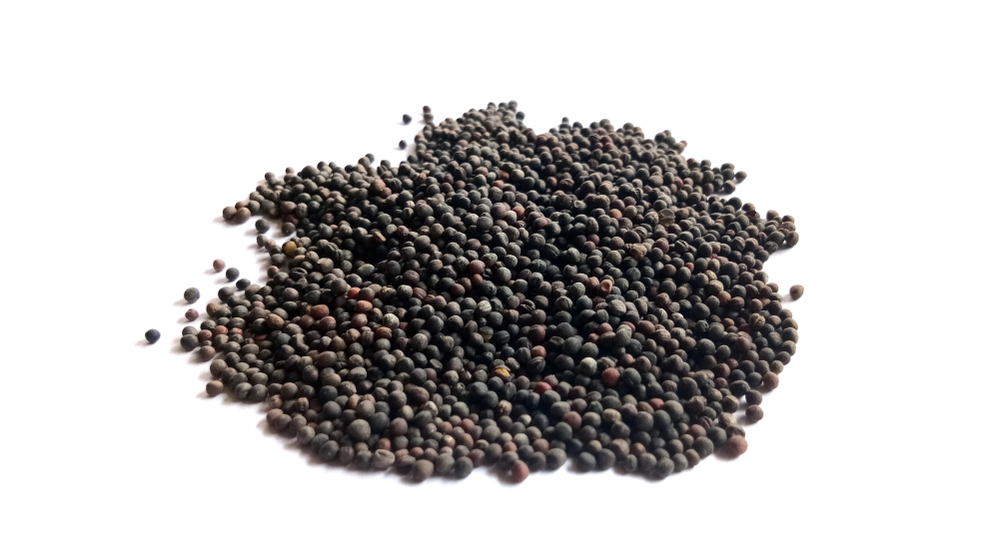
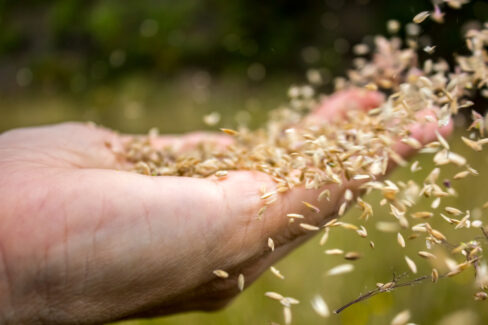
However, if you want to take control of where they grow, you can harvest the seeds directly from the seed head before they take flight. This allows you to plant them exactly where you want at a suitable location in your garden.
Built to Travel: How Dandelion Seeds Work
In nature, dandelion seeds are spread by the wind or a simple touch, making reproduction fast and easy. Those tiny attached “parachutes” allow the seeds to glide through the air; a single seed can travel hundreds of yards searching for its new home.
The seeds are also cleverly designed with a pointed tip at the bottom, which helps them anchor into the soil. When they drop from the plant or land from the air, they essentially “drill” themselves into the ground. Once they get a little bit of moisture, the germination process kicks off.
Step-by-Step Guide to Planting Dandelions
If you want to cultivate dandelions in a specific spot, here’s the best way to go about it:
- For a head start, fill several small pots with a high-quality seed-starting mix or herb soil.
- Plant the seeds about half an inch to an inch (1–2 cm) deep into the soil.
- Keep the seeds consistently moist over the next few days, but be careful not to overwater them.
- Make sure the area stays at a steady germination temperature between 60° and 70° F (15°–20° C).
Generally, it takes about two to four weeks for the seedlings to start sprouting. After about 8 to 12 weeks, you can thin them out or transplant them, leaving about 12 inches (30 cm) of space between each plant. Just remember to keep that soil moisture consistent!