title: A Red Showstopper: When Do Red Hot Pokers Bloom?
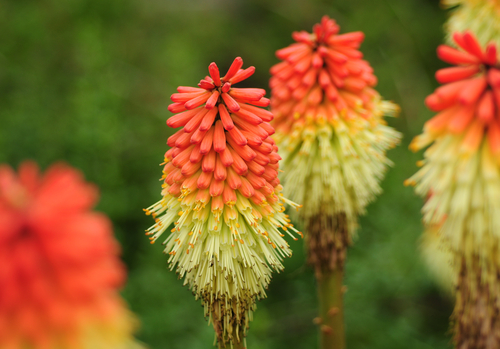
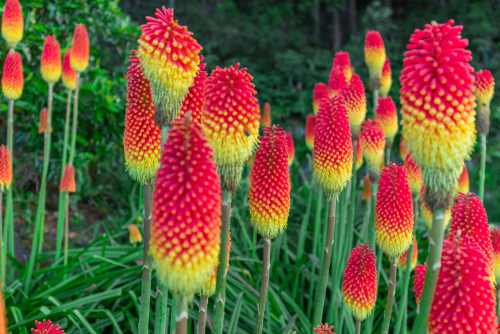
When the Red Hot Poker (native to South Africa) hits its peak blooming season, it transforms home gardens into a fiery display of vibrant oranges and flaming reds. To keep those torch-like blooms looking their best for as long as possible, there are a few simple care tips you’ll want to keep in mind.
A Long Season of Color from Summer to Fall
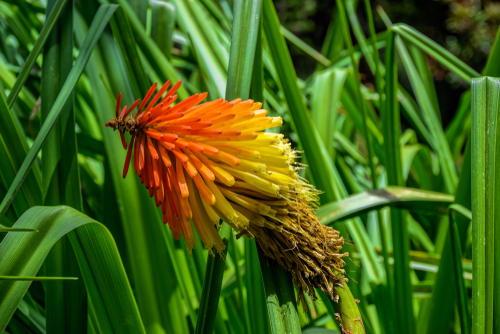
You’ll start to see the first signs of life in the center of the plant as early as the beginning of June. If your perennial is in a prime spot with plenty of heat and sunlight, it can keep pumping out new flowers well into September. Some specific varieties are even more overachieving, glowing with that signature bright red all the way into October.
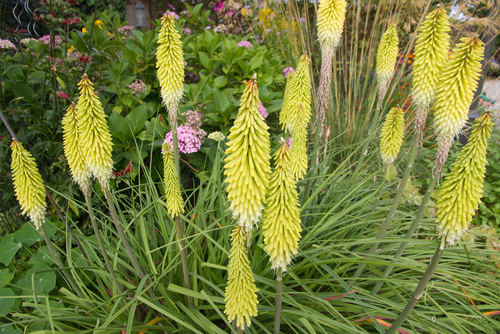
The Red Hot Poker family (also known as Torch Lilies or “Rocket Flowers”) includes over 70 different varieties, though only some are truly cold-hardy. All of them feature those iconic, poker-shaped flower spikes. While red is the classic look, the color palette actually ranges from a pale, minty green to sunny yellows, bright oranges, and deep, dark scarlets.
Only leave the faded flower spikes on the plant if you’re planning to collect seeds for later.
Pro Tips for a Longer Bloom Season
The golden rule for keeping your Red Hot Pokers happy during the summer is to deadhead them—meaning you should snip off the faded flower spikes as soon as they start to wither. Removing the old growth encourages the plant to put its energy into producing fresh, new blooms.
You’ll also want to keep a close eye on your watering schedule. Even though these are tough plants, their water needs peak during the hot summer months. Just be careful not to overdo it; they are desert-style plants at heart and absolutely hate “wet feet” (standing water).
When the temperatures drop, make sure to give them some extra winter protection. If you’re growing yours in containers, it’s best to bring them indoors to a sheltered spot.
Expert Tip: The only time you should leave those spent flowers on the stalk is if you’re planning to harvest seeds for next year. For that to work, the flowers need to stay on the plant so they can develop seed heads naturally.