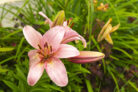
Lilies originally hail from the Himalayas, and they’ve kept that rugged, mountain-hardy spirit for millions of years. Because they are perennials, they’ll come back to greet you year after year—but only if you give them a little TLC once they’re done blooming. Here’s how to handle your lilies post-bloom to ensure a spectacular show next season.
Deadheading the Right Way
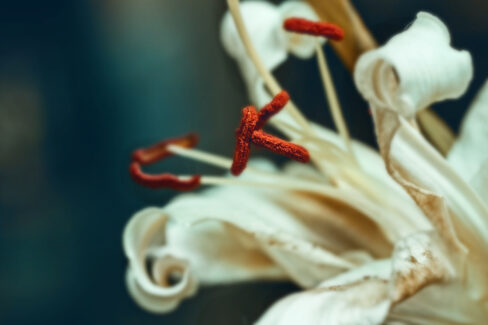
The first and most important step is to remove those wilted flowers as soon as they start to fade. When you do this, make sure to leave at least two-thirds of the stem intact. If you leave the old blooms on the plant, the lily will put all its effort into ripening its seeds. Unless you’re planning on propagating them from seed, it’s best to snip those spent flowers off right after the blooming period ends.
Storing Energy for Next Year
Why the rush to deadhead? Well, producing seeds takes a massive amount of energy. If the plant spends all its fuel on seeds now, it might not have enough left to produce those gorgeous blossoms next summer. This is also why you need to leave most of the stem standing. The foliage won’t actually wither until fall, and during that time, the bulb is busy pulling nutrients back down from the leaves. It’s also a great idea to give your lilies a little fertilizer right after they finish blooming, as the bulbs are in “storage mode” and will soak up those extra nutrients.
When to Divide Your Lilies
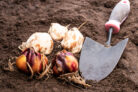
If you’re looking to propagate your lilies by dividing the bulbs and you didn’t get around to it in the spring, right after the flowering season is your second-best window of opportunity.
How to Keep the Blooms Lasting Longer
While post-bloom care is vital, most of us just want those flowers to last as long as possible! To stretch out the flowering season, keep these tips in mind:
- Choose a planting spot that is well-protected from harsh winds and heavy rain.
- Aim for a location with partial shade rather than scorching direct sun.
- Use a bloom-boosting fertilizer as soon as you see the buds starting to form.