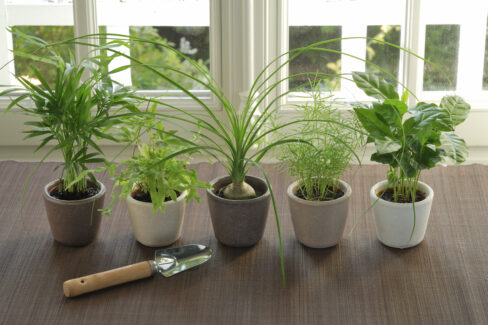
In the wild, Kentia palms usually only reach about twenty feet tall. As houseplants, they’re even more manageable, rarely growing past three feet. This means you won’t have to worry about repotting them constantly! However, if you start seeing roots peeking through the drainage holes, it’s definitely time to give your palm a new home.
Repotting in the Spring
The best time to repot your Kentia palm is in early spring. I usually aim for late February to give my houseplants a fresh start for the growing season. This is also the perfect window if you’re looking to propagate your plants. Unlike some high-maintenance greenery, Kentias don’t need new soil every single year. That said, you shouldn’t wait longer than three years to refresh the substrate; eventually, the soil loses its nutrients, and even the best fertilizer can’t make up for “tired” dirt.
Keep a close eye on younger palms, as they tend to grow a bit faster and might need a size upgrade more often. If those roots are pushing the plant up and out of the pot, don’t wait—get to repotting!
Choosing the Right Pot
Kentia palms have a long taproot, which means they care more about depth than width. Instead of a wide, shallow bowl, look for a tall, deep planter. You want at least a hand’s length of space between the roots and the bottom of the pot, and about a hand’s width of space around the sides. Most importantly: make sure your pot has drainage holes! Kentias absolutely hate “wet feet” (standing water). Poor drainage can lead to all sorts of issues, starting with brown spots on the leaves and potentially ending with the loss of the plant.
The Best Soil Mix
A standard store-bought palm soil works just fine, but if you’re a DIY gardener like me, you can easily mix your own.
Here’s a great recipe for palm soil:
- 2 parts mature compost
- 1 part sand
- 1 part gravel or lava granulate
I also like to toss in a handful of coconut fibers to keep the mix nice and airy.
Hydroponics
If you want to make things even easier, Kentia palms actually do great in hydroponics. The big perk here is that you’ll have to repot even less frequently! In a hydro setup, the plant gets all its nutrients from liquid fertilizer. You’ll still want to swap out the clay pebbles or substrate every few years to keep things fresh.
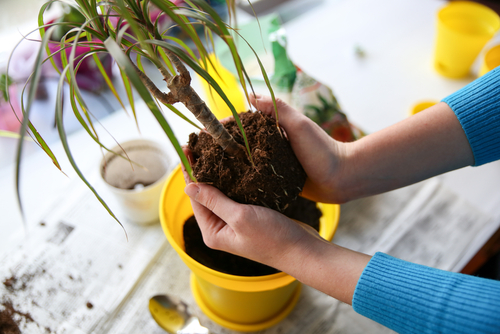
If you’re moving a plant from soil to water, you’ll want to transition your Kentia palm to hydroponics slowly. Start by removing most of the soil but leave a bit around the root ball so the plant doesn’t go into shock. The next time you repot, you can clear away the rest of the old dirt.