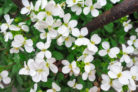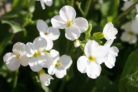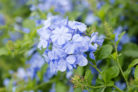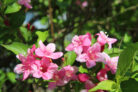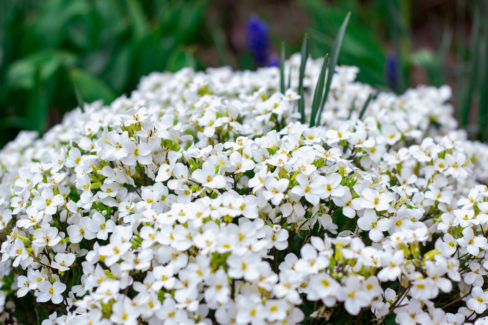
When it comes to growing Rockcress (Arabis), the variety you choose makes all the difference. While you’ll find some annual and biennial types out there, most gardeners opt for the perennials. This usually leads to the big question: can these little beauties actually survive a harsh winter outside?
No Sweat, Even in Arctic Temps
These days, you can find Rockcress all over the globe, but its roots are actually in the Carpathian Mountains. Being a mountain native, Rockcress isn’t exactly shy when it comes to snow and ice. In a sheltered spot, these tough plants can handle plunges down to -20°F (-30°C). Even if they’re exposed to the wind, they can usually hold their own down to about -13°F (-25°C).
The Late Autumn Trim
To play it safe and keep your plants healthy, I recommend getting into the habit of pruning your Rockcress right before winter hits. Technically, the parts you trim off are still edible, though by late fall they aren’t exactly the tastiest choice for your salads or soups. Grab a pair of garden shears or sturdy kitchen scissors and cut the stems back to about 4 inches (10 cm) high. If you’re growing a particularly low-creeping variety, just focus on removing the old flower stalks completely.
Keeping Self-Seeding in Check
If you don’t want Rockcress taking over your entire garden, you’ll want to reach for those shears a bit earlier. To prevent the seeds from ripening and spreading, give the plant a good trim immediately after the blooming season ends in May.
Extra TLC for Sensitive Varieties
Because Rockcress is so pretty and useful in the kitchen, breeders have developed tons of varieties—but not all of them share that “mountain-tough” DNA. Take *Arabis blepharophylla*, for example. This variety starts to struggle once temperatures drop below 15°F (-10°C). If you’re growing this or other sensitive types, you’ll want to give them some extra protection during the winter. You can cover them with:
- Dried leaves
- Brush or evergreen branches
- Garden fleece or frost blankets