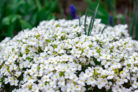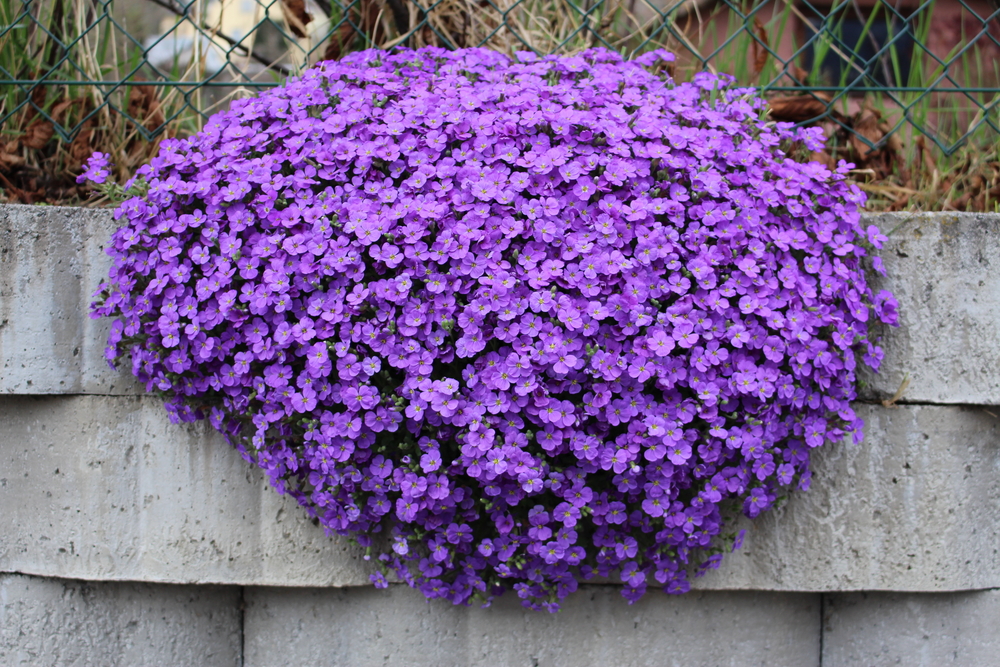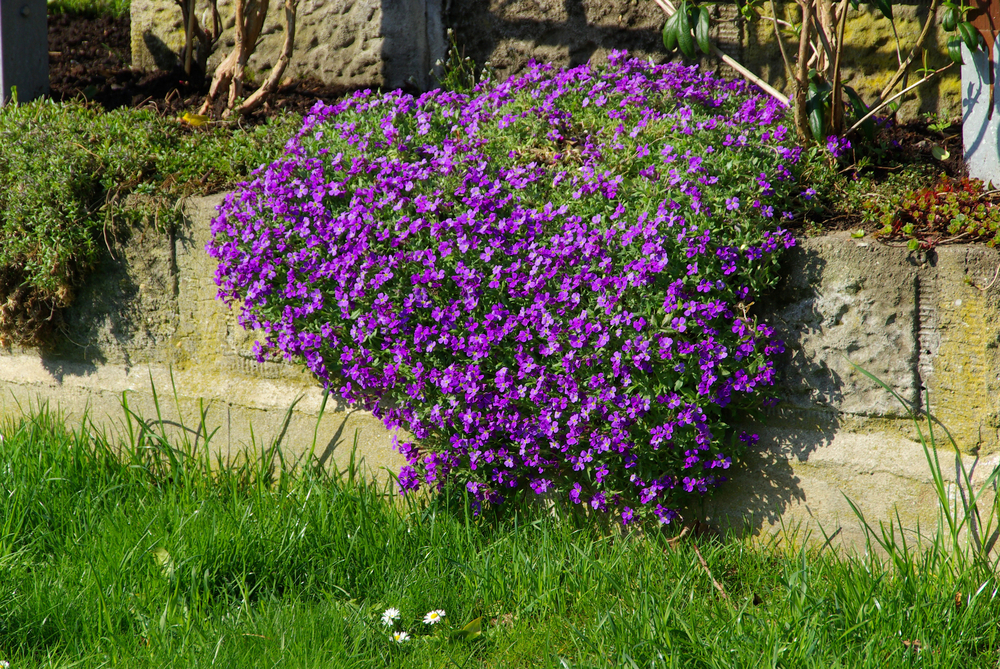
As a member of the cruciferous family, Rockcress (Gänsekresse) is a close cousin to garden favorites like cabbage, broccoli, kohlrabi, and turnips. It’s also related to bok choy, radishes, and rapeseed. Because of that impressive family tree, it’s not just a pretty face in the garden—it’s a totally edible plant with a really interesting flavor profile.
A Global Garden Favorite
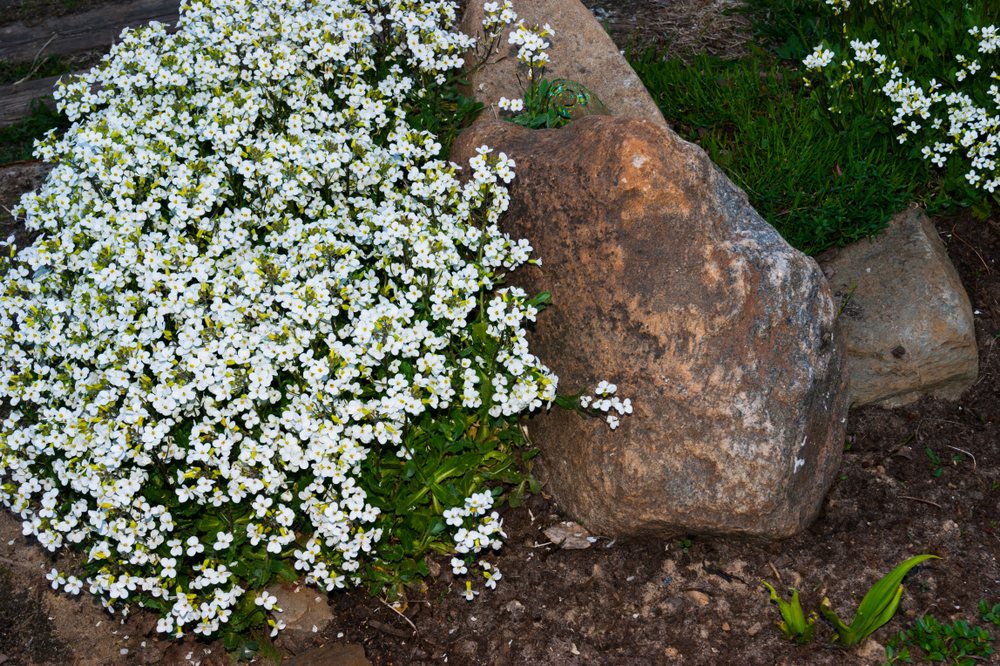
Rockcress has won over gardeners everywhere because it’s edible, incredibly low-maintenance, and looks stunning during its blooming season. While it originally hails from the Carpathian Mountains, it has gradually spread its roots to gardens all across the globe.
The Ultimate Low-Maintenance Plant
One of the best things about Rockcress—besides how little work it requires—is that it’s one of the few plants that actually thrives in poor, sandy soil. Plus, since it’s a mountain native, it’s extremely winter-hardy. You won’t need to worry about giving it any special protection when the temperature drops.
The Flowers are the Star of the Show
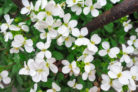
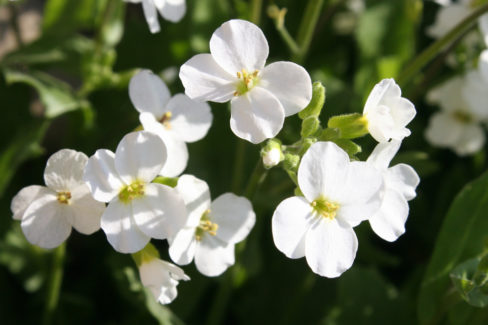
When it comes to taste, Rockcress offers that signature spicy freshness you expect from cruciferous plants. It has a mild peppery kick that works perfectly to brighten up a salad. As the name suggests, the flavor is very similar to garden cress or arugula. While the whole plant is edible, the flowers are definitely the tastiest part. They pop up between April and May, and you can harvest the entire flower cluster. If you prefer, the leaves are also great for picking and eating.
How to Use Rockcress in Your Kitchen
Beyond just tossing it into a side salad, there are plenty of creative ways to use Rockcress in your cooking:
- As a seasoning for fresh tomatoes
- Tossed into hearty stews
- Blended into green smoothies
- Added to fruit salads for a spicy contrast
A Healthy Addition to Your Diet
Not only does it taste great, but Rockcress is also a nutritional powerhouse. Both the flowers and leaves are packed with Vitamin C. Plus, some of its natural compounds are known for their antibacterial and anti-inflammatory properties.