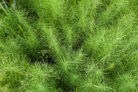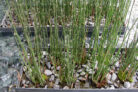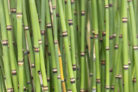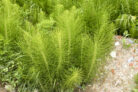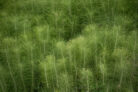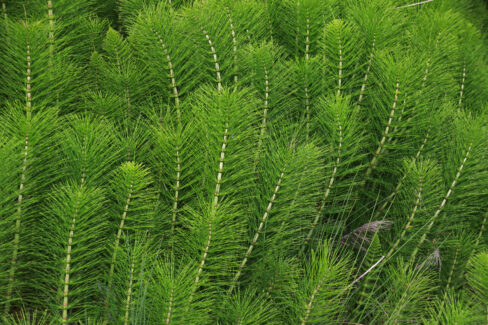
For many home gardeners, horsetail is nothing more than a pesky weed. But believe it or not, plenty of folks actually grow it as an ornamental plant or for its practical uses. If you’re planning on growing it, one of the first questions you’ll probably have is: how does this plant handle the winter?
Winter Hardy or a Total Frost-Wimp?
Horsetail has been around for a *long* time—we’re talking prehistoric. Evolution-wise, it’s spent thousands of years turning into an incredibly tough plant that can handle just about anything nature throws at it. That’s exactly why it’s such a stubborn “weed” to get rid of! If it’s planted in your garden beds, it is absolutely winter hardy.
The roots of this plant can reach up to six feet deep into the soil. Because they go so deep, frost doesn’t stand a chance against them, and you won’t need to provide any extra protection in the garden. Surprisingly, the real enemy in winter isn’t the cold—it’s too much direct sun. If you want to be extra safe, you can cover your horsetail with some fallen leaves, especially if it’s growing near a pond. But honestly? Most of the time, it’ll do just fine on its own.
Horsetail in Containers
Now, if you’re growing your horsetail in a pot, the rules change a bit. Since the roots aren’t deep in the ground, you’ll need to help it overwinter safely to keep it from freezing solid. Here are a few pro-tips for your potted plants:
- Move the pot to a sheltered spot away from harsh winds.
- Elevate the pot by placing it on a wooden pallet or a piece of Styrofoam.
- Wrap the container in bubble wrap for extra insulation.
- You can also tuck some straw around the plant to keep it cozy.
- Alternatively, you can sink the entire pot into the ground for the winter.
- Don’t forget to give it a little water on days when the ground isn’t frozen.
Overwintering Near Water
Varieties like Water Horsetail or Rough Horsetail are often planted in or around ponds. These guys are usually champ at surviving the winter, too. Your main job here is to protect them from the winter sun. Some brushwood or evergreen branches can provide the perfect amount of shade. Just make sure to remove those branches in the spring, as they can mess with the nutrient balance of your pond water as they break down. Also, hold off on any pruning until spring rolls around!