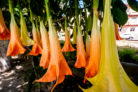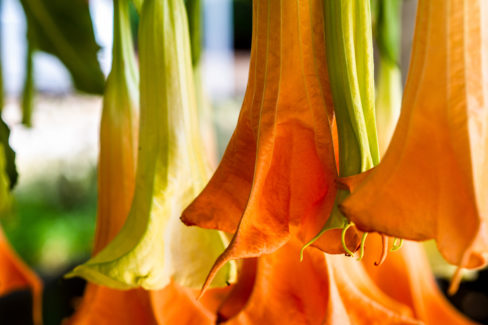
Let’s be honest: when an Angel’s Trumpet (*Brugmansia*) is in full bloom, it’s a total showstopper. Between those massive, bell-shaped flowers and the incredible fragrance, it’s no wonder every gardener wants to know how to get more of them. If you’re looking to expand your collection, the good news is that propagating them from cuttings is actually super easy.
Angel’s Trumpets: A Rewarding Challenge
Before you go grabbing cuttings from a neighbor’s yard, just a heads-up: these beauties are a bit high-maintenance. They are definitely not winter-hardy, so they’ll need a cozy spot indoors when the frost hits. They’re also “heavy feeders,” meaning they crave lots of nutrients and just the right amount of water to stay happy. But don’t let that scare you off! While the daily care takes some work, the propagation process itself is a breeze.
Snip and Soak
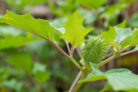
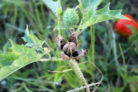
When you’re picking out your cuttings, look toward the top of the plant. While you *can* use older, woodier stems from the bottom, they don’t root nearly as well. Your best bet is to go for the fresh, green growth at the tips. Aim for a piece about 4 to 6 inches long. Once you’ve made your cut, strip off the lower leaves and simply pop the stem into a glass of water.
The Waiting Game
Now, all you have to do is wait. In about two to three weeks, you’ll start seeing fresh white roots sprouting. Once those roots look sturdy, you can transplant your new baby into a pot with some high-quality, nutrient-rich potting soil. The only “work” you have to do in the meantime is refreshing the water every few days to keep it clean and prevent any rot. This water-rooting method is a favorite among gardeners because it’s way less finicky than trying to grow them from seed.
If you want to master Angel’s Trumpet cuttings, just keep these two tips in mind:
- Always try to use green shoots from the top of the plant.
- Keep that water fresh while you’re waiting for roots to appear.