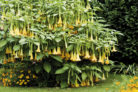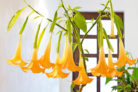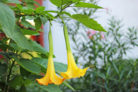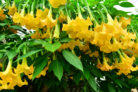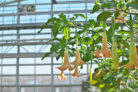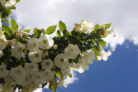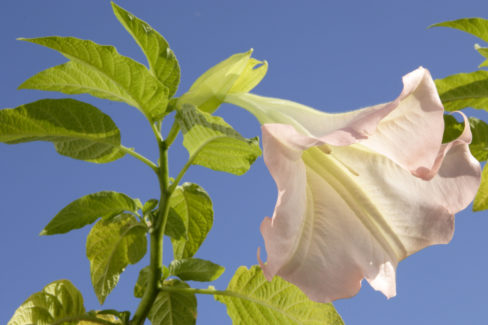
Angel’s Trumpets (Brugmansia) are a bit of a late bloomer, but man, are they worth the wait! Once June hits, they usually explode with massive, showy flowers. But if your plant is looking a little lackluster or refusing to bloom, the culprit is almost always a lack of nutrients. These beauties are hungry!
A Serious Appetite for Growth
When you consider that a single bloom can reach up to 12 inches long, it’s no surprise that Angel’s Trumpets need a ton of energy to perform. Since they hail from South America, most of us in cooler climates grow them in containers. The catch? A pot only holds so much soil, which means that dirt needs to be packed with “oomph” to keep the plant happy.
Start Strong with Slow-Release Fertilizer
The secret to success starts early in the season. When you’re moving your Brugmansia from its small winter pot into its larger summer home, be sure to mix a generous amount of slow-release fertilizer into the fresh potting soil. This gives your plant a steady baseline of nutrition to power through the main growing phase.
Keep the Meals Coming
Here’s the thing: slow-release fertilizer alone won’t cut it for these heavy feeders. You’ll need to supplement with liquid fertilizer regularly. Your strategy should actually shift as the plant develops. Starting in the spring, hit them with a growth-focused fertilizer two or three times a week. Once the blooming season kicks off, switch over to a bloom booster high in potassium to encourage those spectacular trumpets.
Knowing When to Stop
The exact timing of that first flower depends on the variety. Andean types often start popping in May, while rainforest varieties usually wait until June. Even though they’ll often keep blooming right through October, you want to stop fertilizing around mid-August. This helps the plant naturally slow down and prepare for its winter dormancy.
To keep your Angel’s Trumpet happy, make sure your garden shed is stocked with:
- Slow-release fertilizer
- Growth-focused fertilizer (high nitrogen)
- Bloom booster (high potassium)