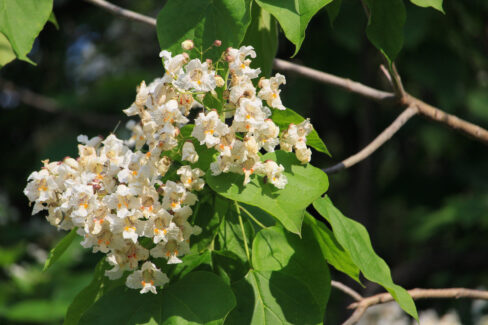
Catalpa trees (often called Southern Catalpas or Cigar Trees) are stunning additions to any yard, and the good news is that you can grow your own! One of the most popular ways to get more of these beauties is through cuttings. I’m going to walk you through exactly how to take cuttings and turn them into thriving new trees.
Your Propagation Options
When it comes to propagating Catalpa trees, you’ve got a few different paths you can take. While cuttings and “layering” are super common, you can also try:
- Growing them from seeds
- Using root suckers or offshoots.
Propagating with Cuttings
Aside from starting with seeds, using cuttings is one of the most reliable and successful ways to DIY your tree collection.
How to Take Your Cuttings
The best part? You can actually combine this with your regular Catalpa tree pruning session.
- Look for young, healthy shoots. You’ll want them to be about 4 to 6 inches long.
- Make sure there is at least one “dormant eye” (a small bud node) on the cutting—this is where the new growth will sprout from.
- Strip off all the leaves except for the very top pair. If you leave lower leaves on and bury them, they’ll just rot in the soil and cause mold issues.
Rooting Your Cuttings
Once you have your cuttings ready, here’s what you do:
- Stick the cuttings into a pot filled with a high-quality seed-starting mix or potting soil.
- Find a bright, warm spot for them—a sunny windowsill is usually perfect. Keep the soil consistently moist, but be careful not to drown them! To create a little “mini-greenhouse” effect, you can pop a clear plastic bag over the pot. Just remember to lift it off for a few minutes every day to let some fresh air in and prevent mold.
- After a few weeks, you should see the cuttings start to sprout new leaves and establish their own root systems.
- Once the little guys look sturdy and have grown a bit, you can move them into their own individual pots to keep growing.
- One big heads-up: these youngsters aren’t winter hardy yet. It’s best to keep them indoors for the winter and let them grow in pots for another two to three years before they’re tough enough to handle the great outdoors full-time.
A Quick Note on Umbrella Catalpas
If you’re dreaming of propagating a Dwarf Umbrella Catalpa (like the popular ‘Nana’ variety), I’ve got some bad news: cuttings won’t work here. These specific varieties are created through grafting, so they won’t grow true to form from a simple cutting.