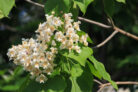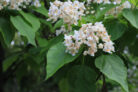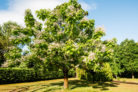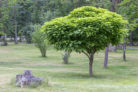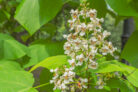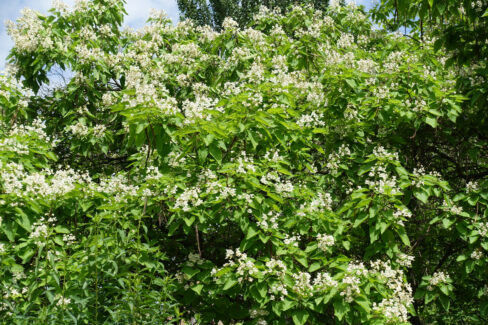
The Catalpa tree—often called the Northern Catalpa or Cigar Tree—is a huge favorite for American backyards thanks to its stunning flowers and unique look. If you’ve already got one and want more, you’re in luck! Growing your own is actually pretty simple. Let’s walk through the most common ways to propagate this beauty.
The Different Ways to Propagate a Catalpa Tree
There are a few different ways to get new baby trees started. The most popular methods include:
- Growing from seeds
- Taking cuttings
- Using natural offshoots (layering)
Growing Catalpa Trees from Seed
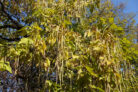
Inside those long, bean-like pods, you’ll find the seeds. Once the pods turn brown and start to crack open, the seeds inside are ripe and ready to go. This is a great time to start growing your own little saplings.
Just place the seeds in pots filled with a good seed-starting mix and keep them in a warm, bright spot. You’ll want to keep the soil consistently moist. To give them a little boost, try covering the pot with plastic wrap to keep the humidity high. Catalpa seeds are usually pretty eager to grow and often sprout within just a few days! Once the seedlings have established some roots and look sturdy enough, you can move them into their own individual pots.
Propagating via Cuttings
If you don’t have any seed pods handy, don’t worry—you can also propagate from cuttings. A big plus with this method is that the new tree will be a genetic twin of the parent plant.
To do this, use a sharp knife to snip off a young shoot about 4 to 6 inches long. Strip off all the leaves except for the very top pair. Pro tip: This is a great task to do while you’re already pruning your Catalpa anyway!
Stick the cutting into a pot with fresh potting soil and keep it in a warm, sunny spot. Keep the soil damp, and within a few weeks, you should see new roots and leaves starting to form. Once they’ve grown a bit, they’re ready for their own pots.
Propagating via Offshoots
If you have an older, established tree, you might notice “volunteers” or offshoots popping up right next to the main trunk. These are essentially nature doing the work for you! You can carefully dig these up and treat them just like a rooted cutting to start a brand-new tree.