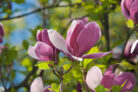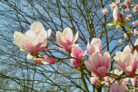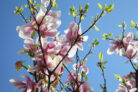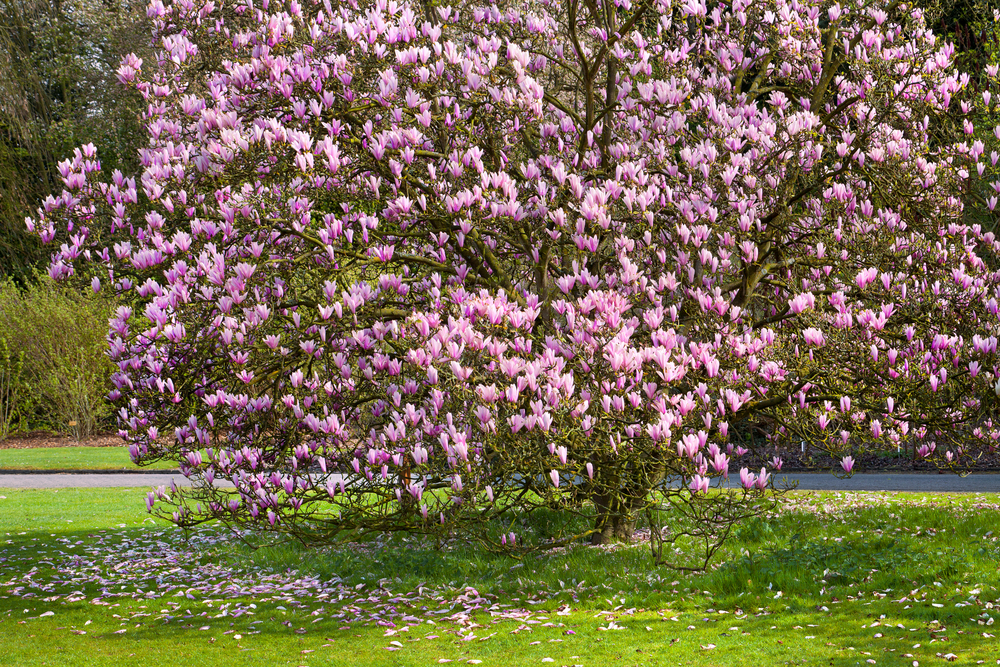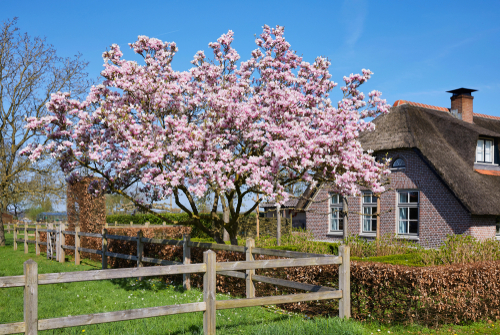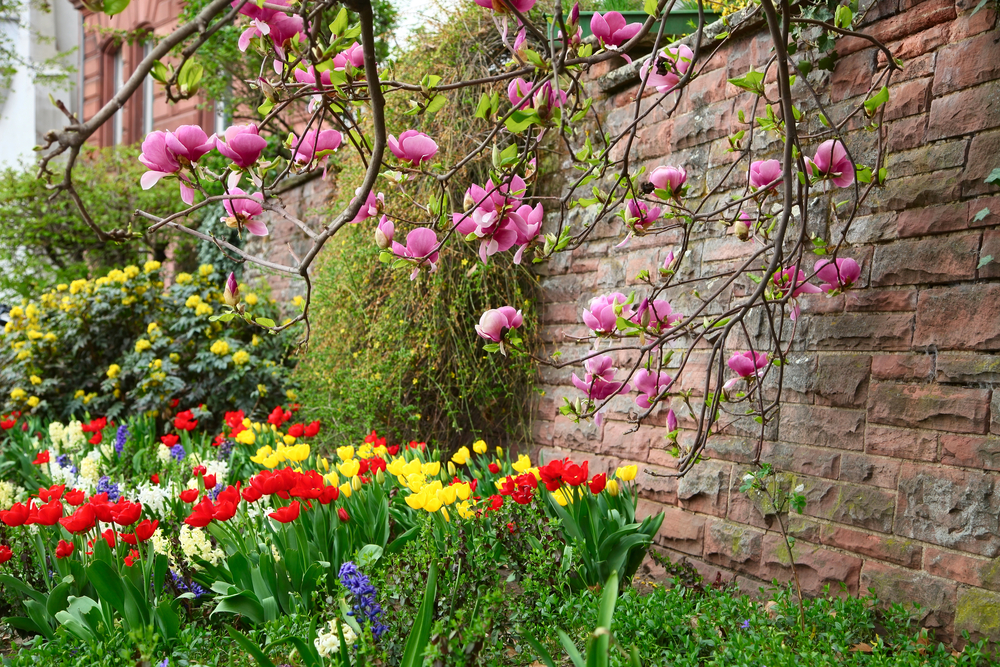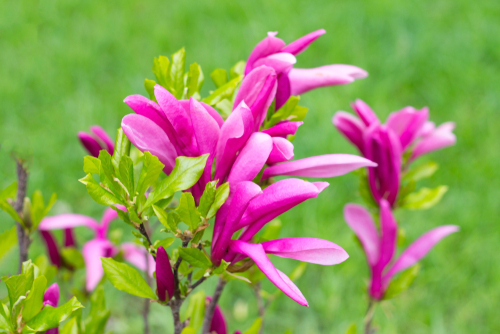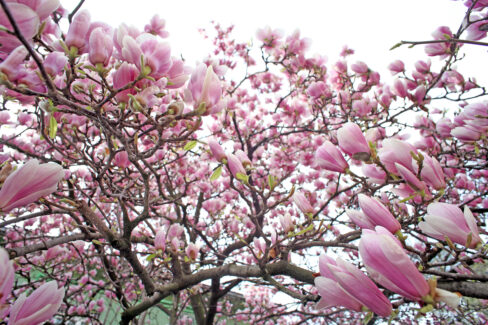
Often simply called a Magnolia or sometimes mistakenly referred to as a Tulip Tree, the Saucer Magnolia (*Magnolia × soulangeana*) is hands-down one of the most popular ornamental trees for home gardens. When you find the right spot for it, this beauty truly thrives, putting on a spectacular show with its massive, lush blooms.
Where is the best spot for a Saucer Magnolia?
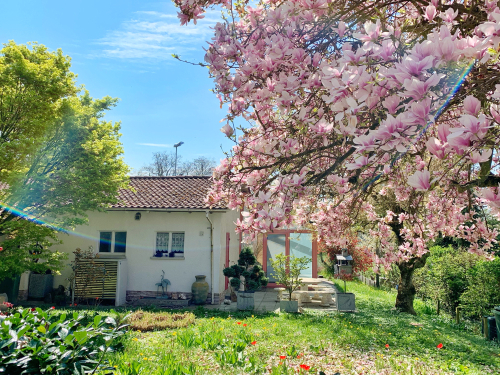
While Saucer Magnolias love a bright, warm location, they aren’t actually huge fans of baking in the intense, all-day sun. Your best bet is to give them a spot with at least some partial shade during the day. They also really appreciate being shielded from the wind, especially from the east. Those icy early spring gusts can ruin those gorgeous blossoms before they even have a chance to shine!
What kind of soil does it need?
These magnolias prefer slightly acidic soil and really don’t like lime. They feel right at home in rhododendron soil. Alternatively, before planting, you can mix your standard garden soil with some loam, compost, and/or peat. The most important things to remember? The soil needs to be well-draining, consistently moist, and rich in nutrients.
Can I grow a Saucer Magnolia in a container?
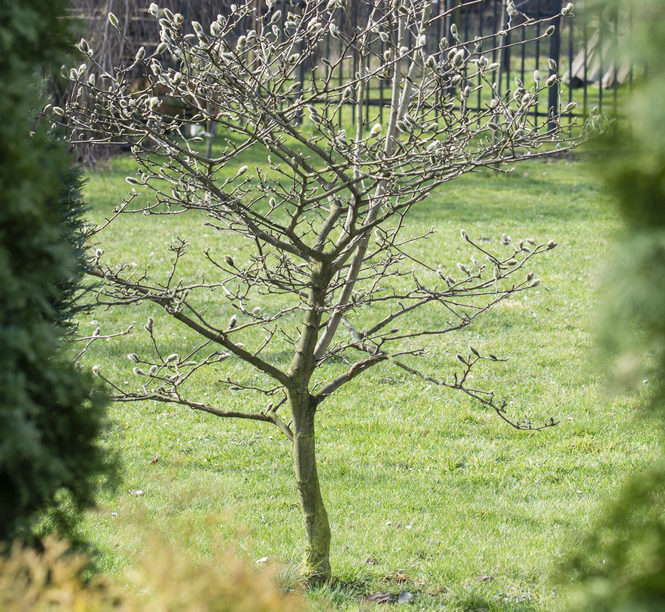
You can definitely grow a Saucer Magnolia in a pot, at least for the first few years. They grow relatively slowly, but keep in mind they can eventually reach up to 30 feet tall! You’ll likely need to transplant it into the ground once it hits a certain size. If you’re looking for a permanent “pot pal,” some of the smaller dwarf magnolia varieties might be a better fit.
When is the best time to plant?
If you’re buying a container-grown magnolia from the nursery, you can pretty much plant it anytime during the growing season. However, if you have a ball-and-burlap plant, the ideal planting time is in the spring. Wait until the threat of overnight frost has passed; it’ll help the tree establish its roots much more easily.
Quick Summary:
- Ideal location: Warm and bright, but not full-on direct sun.
- Protection: Definitely shield it from icy eastern winds.
- Spacing: Give it room to breathe! Leave about 10 to 15 feet of space on all sides for the canopy.
- Soil: Humus-rich, slightly moist, well-draining, and slightly acidic.
- Pro-tip: Use rhododendron soil or mix your garden soil with compost, loam, and peat.
- Drainage: Avoid standing water at all costs.
- Pots: Suitable for containers for the first few years.
Tip: A bright spot ensures a really heavy bloom, but your magnolia will be happiest if it gets a few hours of shade during the day.