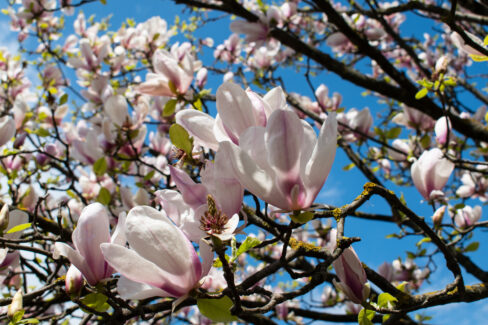
Let’s be honest: we don’t always get it right the first time when planting trees and shrubs. Sometimes that spot that looked perfect in April is way too crowded by July. If you’ve realized your Saucer Magnolia (Tulip Magnolia) needs a new home, you might be wondering: can it actually handle the move?
Can you safely transplant a Magnolia?
The short answer is yes, you can transplant a Saucer Magnolia—but it’s definitely easier when the tree is still on the smaller side. There are plenty of reasons you might need to move it, whether it’s outgrowing its current corner or just isn’t thriving at its current location. If you’ve decided a move is necessary, don’t procrastinate; the younger the tree, the better.
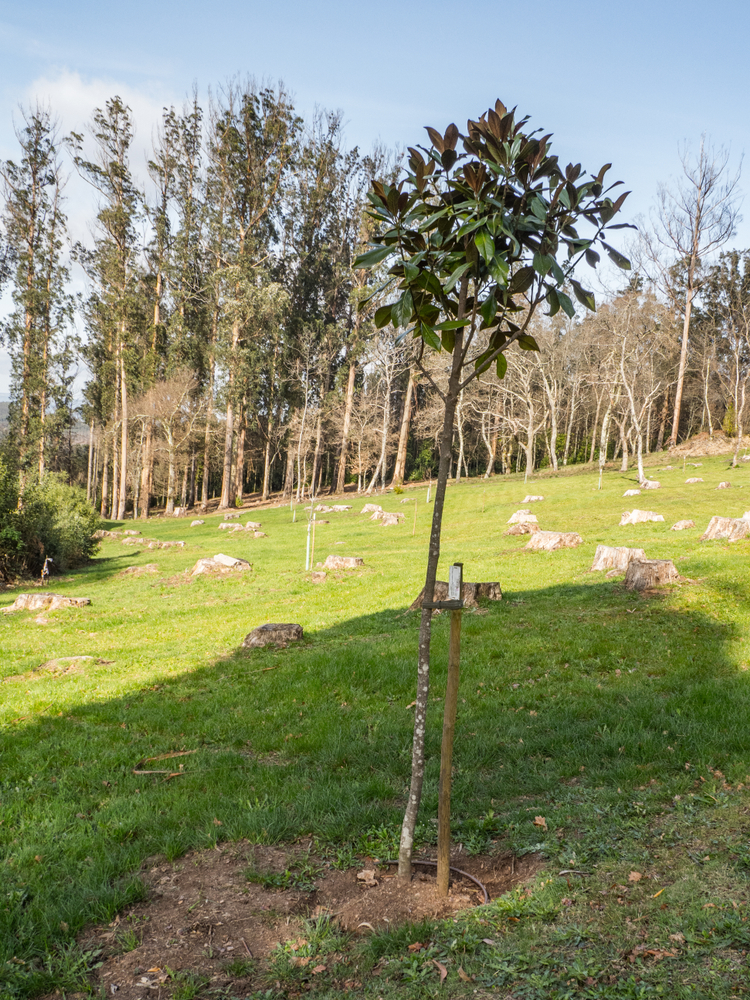
However, keep in mind that Magnolias are a bit like homebodies—they don’t particularly enjoy being uprooted. They can be quite sensitive to the change. Don’t be surprised if your tree skips a blooming season after the move, especially if you transplant it in the fall. Once it recovers from the “moving day” stress, it’ll get back to its usual, show-stopping self.
What should I keep in mind before moving it?
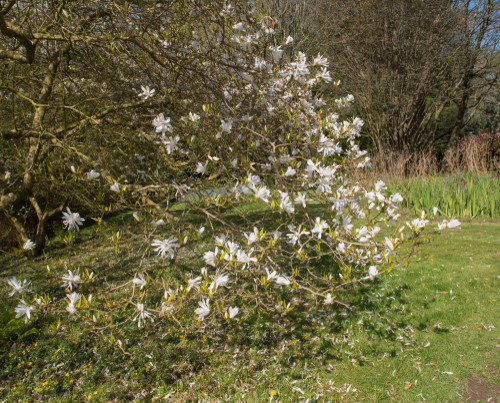
While the Saucer Magnolia is a relatively slow grower, it can eventually reach a pretty impressive size, even if the annual growth is a modest 12 to 24 inches. Once the tree reaches a certain height, moving it becomes a massive project that might require professional help. That’s why it’s so important to pick the right permanent spot with plenty of room to grow from the very start.
When is the best time to transplant?
If you’re buying a new container-grown tree, you have a lot of flexibility on when to put it in the ground. But for transplanting an established tree, timing is everything. The best windows are late spring (right after the flowers have faded) or early fall (once the leaves have dropped). Try not to wait too late in the fall; you want the roots to settle in before the first hard frost hits.
Quick Summary:
- Avoid transplanting if possible; Magnolias prefer to stay put.
- If you must move it, do it while the tree is young.
- Best timing: Late spring (post-bloom) or early fall (after leaf drop).
- Choose the new location very carefully to avoid a second move.
- Prep the new soil well in advance.
- Be extra gentle with the root ball to avoid damage.
- Dig a wide, generous planting hole.
- Be prepared for a “rebound year” with fewer or no flowers.
Pro Tip: Resist the urge to give the tree a radical pruning just to make it easier to move. Magnolias take a long time to recover from heavy hacking, and it will only add to the plant’s stress.