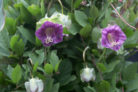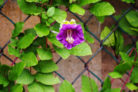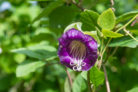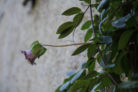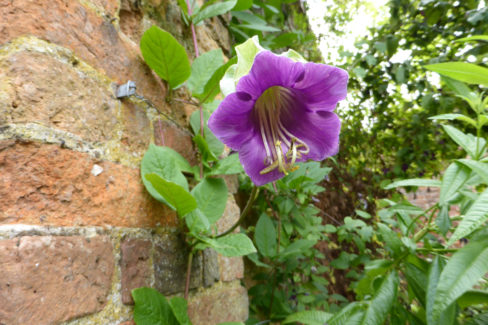
If you’re looking for a fast-growing climber that puts on a massive floral show without demanding all your free time, the Cup and Saucer Vine (Cobaea scandens) is about to be your new best friend. It’s a favorite for backyard gardeners, but the secret to those lush vines lies in picking the right spot and prepping the soil just right.
Where should you plant your Cup and Saucer Vine?
While this vine can hold its own in partial shade, you’ll get the best results if you give it a spot in the full sun. More sun equals more growth and a much more impressive bloom. If you tuck it away in a shady corner, you might find that your vine refuses to bloom or looks a bit sparse.
Try to pick a spot with good air circulation. This helps the leaves and flowers dry off quickly after a rainstorm, which is the best way to prevent those pesky fungal diseases that love damp, stagnant air. Don’t forget to set up a trellis or support right when you plant it, and if you can provide a little protection from heavy winds or driving rain, your vine will definitely thank you.
What kind of soil does it need?
The Cup and Saucer Vine is a thirsty plant, especially when it’s blooming, but it absolutely hates “wet feet.” You want soil that is loose and well-draining—mixing in a little sand works wonders. Ideally, the soil should be nutrient-rich and kept consistently moist but never soggy. These vines also do great in large containers, though they won’t climb quite as high as they would if planted directly in the ground.
How big does it actually get?
In its native Mexico, this plant is a hardy, long-lived perennial shrub. However, since it can’t handle a frost, most of us here in the States grow it as an annual. If you’re feeling ambitious, you can certainly try to overwinter it indoors. In the garden, expect it to reach heights of up to 13 feet (4 meters), while container-grown vines usually top out around 6 feet (2 meters).
The Ideal Spot at a Glance:
- Sunny and warm
- Good airflow
- Fresh, moist, well-draining soil rich in organic matter
- Protected from harsh wind and heavy rain
Pro Tip: Don’t move your vine outside until the danger of frost has completely passed—it’s very sensitive to the cold! To get a head start on the season, you can start your seeds indoors as early as February.