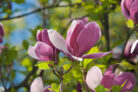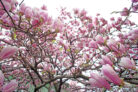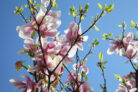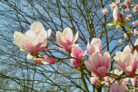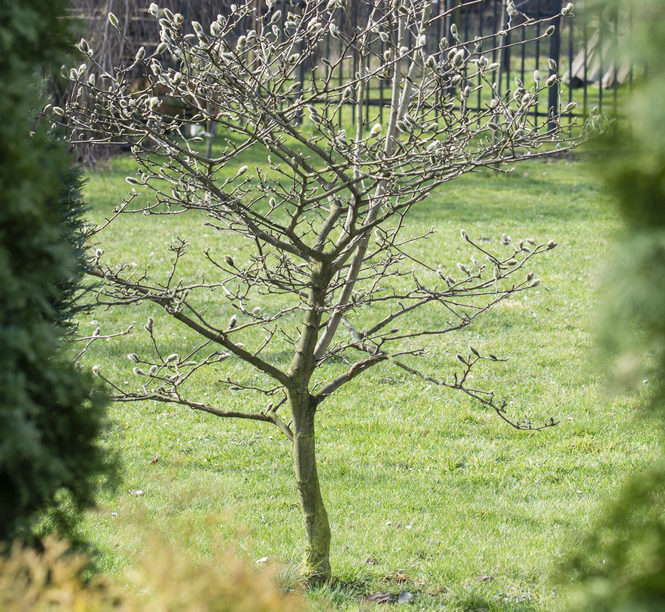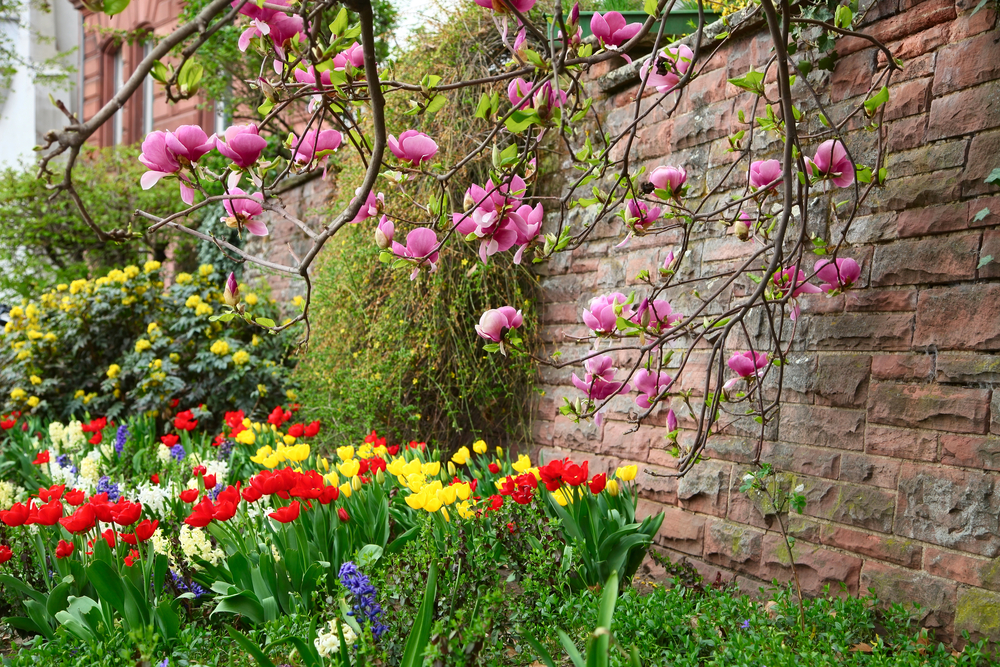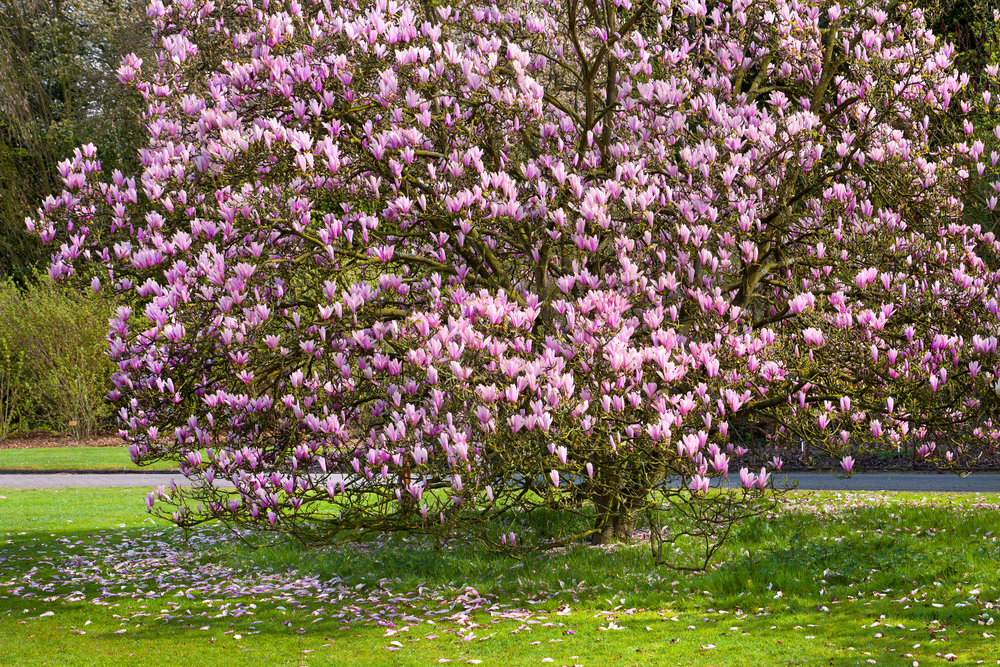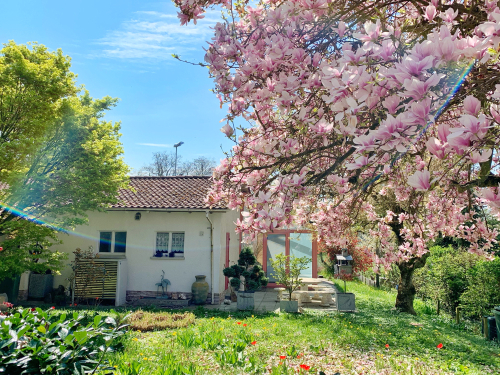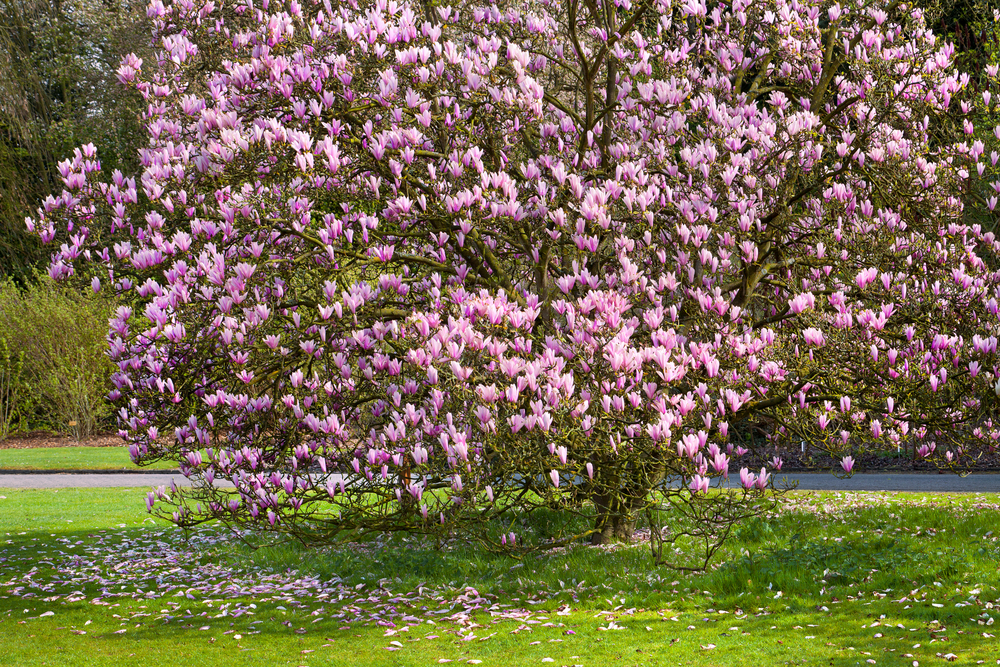
Just like any other plant in your garden, getting your magnolia to grow tall and bloom beautifully comes down to one major thing: the soil. Magnolias are actually a bit picky when it comes to their “home,” so you’ll want to keep their specific needs in mind when picking a spot and prepping the ground.
The Richer, the Better
The ideal soil for magnolias is packed with organic matter (humus). If your ground is too sandy and loose, or if it’s heavy clay that packs down like a brick, your tree isn’t going to be very happy. If you’re looking to upgrade your planting site, your best bet is to mix in some rhododendron soil or “acid-loving” potting mix. Not only does this add that much-needed organic boost, but it also helps lower the soil’s pH.
It’s All About the pH
Speaking of pH, magnolias are big fans of acidic soil. You’re aiming for a sweet spot between 5.5 and 6.8. When the soil is in this range, the tree can soak up nutrients much more efficiently. On the flip side, if your soil is neutral or alkaline, your magnolia might start showing signs of nutrient deficiency. This can lead to fewer flowers and, in the worst-case scenarios, the tree might not make it at all.
Keep it Consistently Moist
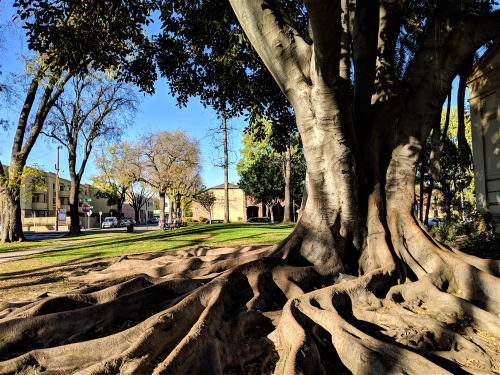
Another thing to keep in mind is moisture. Because magnolias are shallow-rooted, they can’t reach down deep into the earth to find water during a dry spell. Along with regular watering, I highly recommend adding a nice layer of wood chips or bark mulch around the base of the tree. This acts like a blanket, keeping the moisture in the ground where the roots can get to it.
To sum it up, if you want a happy magnolia, make sure your soil is:
- Rich in organic matter (humus)
- Slightly acidic (ideally a pH between 5.5 and 6.8)
- Kept consistently moist (but not soggy!)