When it comes to pruning garden plants, timing and technique are everything—and magnolias are definitely the “divas” of the shrub world. Since these beauties are not only long-lived but also a bit of an investment, you’ll want to handle them with extra care.
Two Main Reasons to Prune
Whether you’re planting your magnolia as a hedge or letting it shine as a standalone specimen tree, you won’t actually need to prune very often. Magnolias are naturally “well-behaved” growers. However, there are two main reasons you might need to reach for the shears:
- Structural pruning (training young plants)
- Maintenance pruning (shaping)
Structural pruning is all about giving young magnolias a head start on a great shape. Maintenance pruning, on the other hand, becomes necessary if a mature tree’s canopy starts getting a little too wide for its spot in the yard.
Why Start with Structural Pruning?
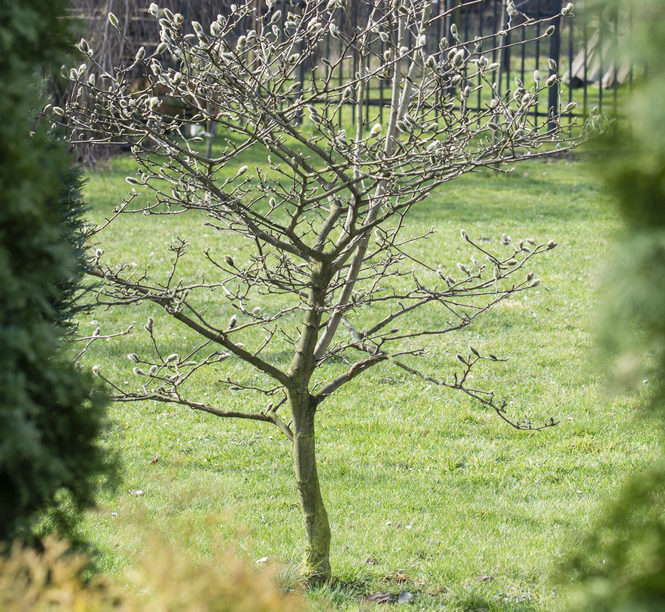
Magnolias are definitely “premium class” plants. A young magnolia that’s only about two feet tall can easily run you fifty bucks, and larger specimens can quickly double in price. Because of this, many gardeners prefer to buy a smaller plant and use structural pruning to train it into a beautiful shape themselves.
The Technique for Structural Pruning
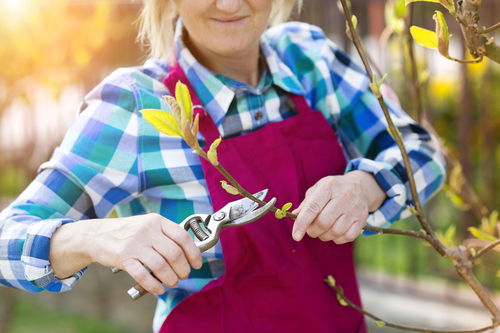
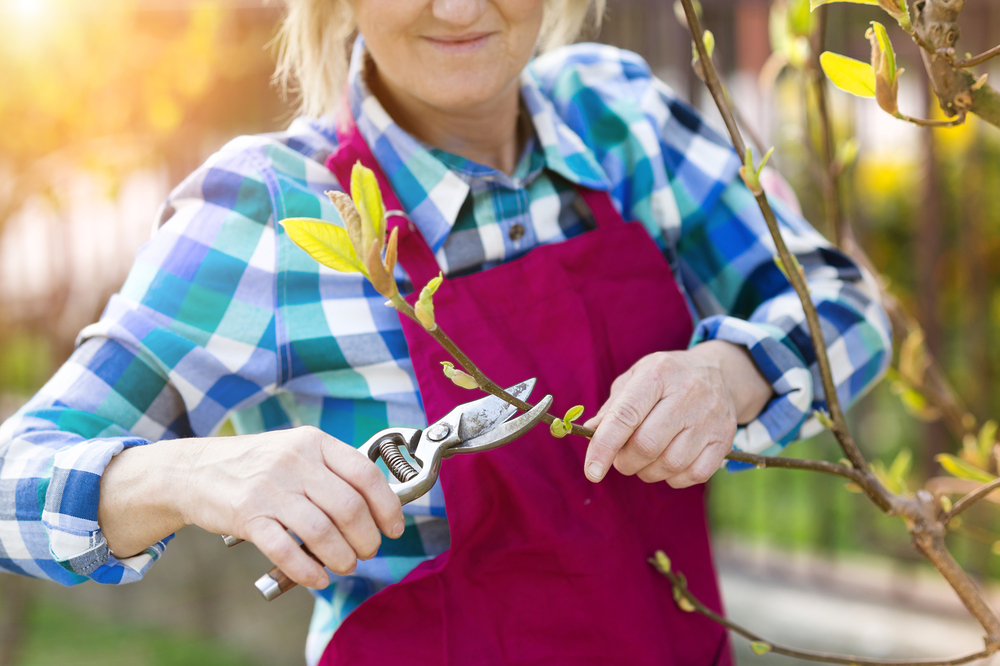
The best time for structural pruning is in the spring, right after the last frost has passed. You can head back the main shoots by up to half their length. For any existing side branches, though, be careful—never remove more than a third. The golden rule here is to always make your cut right above a bud. If you don’t, you risk “butchering” the plant’s natural form.
Precision and Cleanliness are Key
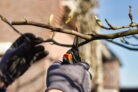
Being precise is more important with magnolias than with almost any other plant. New growth emerges directly from the terminal buds or the upper side buds of the branches. This means your cut has to be just above the bud. Also, always make sure your tools are freshly cleaned and sharp!
The Art of Cutting to the Bud
The trick is finding the “Goldilocks” spot: not too close to the bud, but not too far away. If you cut too close, the bud might die off and won’t sprout. If you leave too much of a “stub” above the bud, it often rots or invites fungi and pests to move in. Besides placement, try to cut at a slight angle so rainwater can slide right off the wound.
Shaping the Canopy
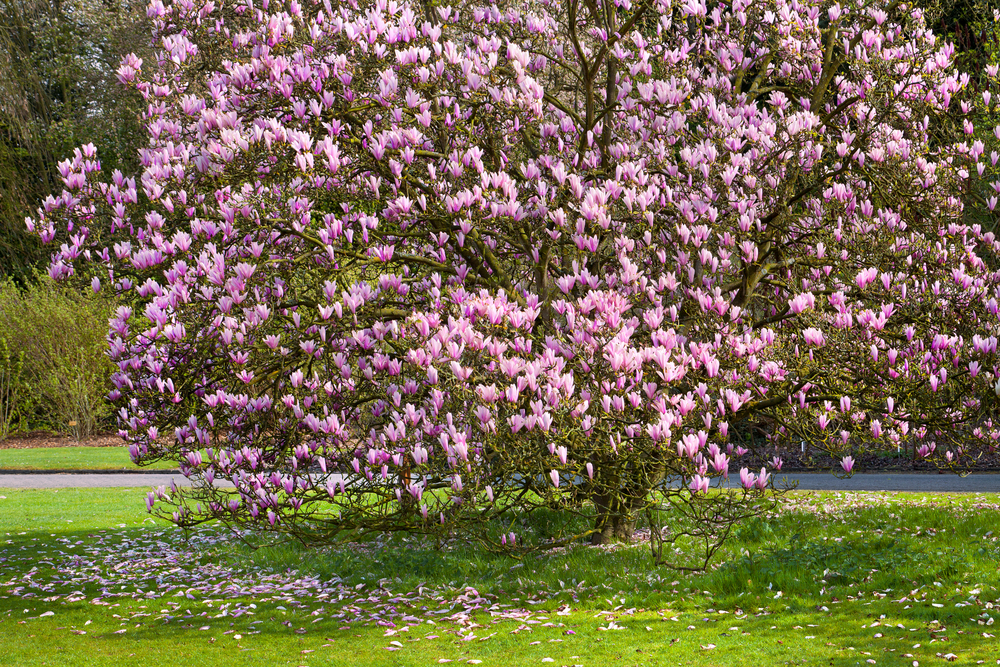
If your magnolia has been a happy resident of your garden for many years, the canopy might eventually get a bit unruly. If the branches are starting to block your garden path, it’s time for a trim. For this kind of shaping, late summer is the perfect window—just before the magnolia starts setting its new buds for the following year in the fall.
The Right Way to Shape
When you’re doing maintenance pruning on a larger magnolia, here’s the game plan:
- Use a high-quality pruning saw.
- Remove old or overly long branches as completely as possible.
- Make sure you cut right at the branch collar (the slightly swollen area where the branch meets the trunk).
Since the goal is to get the tree back in shape as gently as possible, I always recommend taking a few steps back after every single cut. It helps you keep an eye on the overall silhouette so you don’t overdo it!
Don’t Prune Just to “Encourage Growth”
Unlike many other garden shrubs, you shouldn’t prune a magnolia just for the sake of it. While some plants respond to a heavy prune with a “fountain of youth” burst of growth, magnolias don’t. In fact, unnecessary pruning often just leads to a deformed shape that can take years to grow out.
Avoid Pruning During the Main Growing Season
Stick to the timing I mentioned above! If you prune in late spring or mid-summer, the tree will often “bleed” sap heavily from the cuts. This causes the magnolia to lose moisture and, more importantly, the valuable nutrients it needs to produce those stunning blooms we all love.