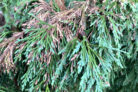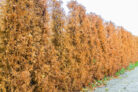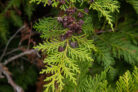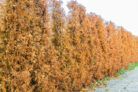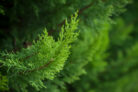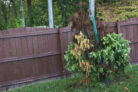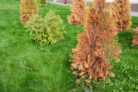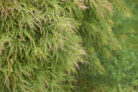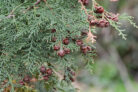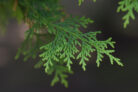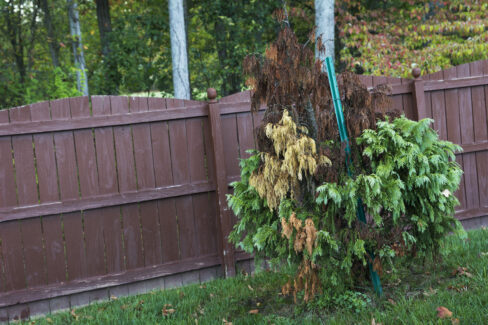
A cypress tree’s evergreen needles are basically its way of talking to you. If they’re lush and vibrant green, your tree is living its best life. But if you start seeing yellow or brown patches, consider that a major red flag. If you don’t step in quickly, you might lose your favorite backyard evergreen for good.
Why Your Cypress Might Be Struggling
You’ve got to move fast if your tree starts showing yellow needles, turns brown, or produces weak, spindly new growth. Without a little TLC and intervention, the damage can become permanent. Usually, the culprit is one of three things:
Care Mistakes and How to Fix Them
Cypress trees are a bit like Goldilocks—they don’t like soil that’s bone-dry, but they hate “wet feet” (soggy roots) just as much. If the soil stays too dry or too wet for too long, the tree will eventually give up. A lack of nutrients or using the wrong fertilizer can also sap its strength. Start by pruning away any diseased-looking branches, and then give your maintenance routine a total overhaul:
- Water your tree as soon as the top layer of soil feels dry.
- Don’t forget to water in the winter on days when the ground isn’t frozen.
- Use compost or a specific conifer fertilizer (just follow the label instructions).
- Give older plants a boost of magnesium with some Epsom salts.
Quick Tip:
If your tree is turning yellow, it might just be getting “sunburned” from intense, direct midday sun.
The Dreaded Bark Beetle
I’ll be honest: if bark beetles have moved in, it’s usually game over for that specific cypress. However, you can still save the neighboring trees in your garden by removing and disposing of the infested one immediately. Look for “sawdust” (bore meal) at the base of the trunk, peeling bark, and brown branches—those are the telltale signs of these pests.
Dangerous Fungal Infections
Cypress canker is a nasty fungus spread by wind and rain, and it loves to attack trees that already have small “wounds” or cuts. Your first step is to prune off all discolored or dried-out shoots and toss them in the trash (don’t compost them!). Try to avoid cutting into the old wood if you can. Afterward, treat the tree with a suitable fungicide.
Another one to watch out for is *Phytophthora cinnamomi*. This root rot thrives in wet conditions and temperatures over 75°F. It’s a silent killer because it attacks the roots first where you can’t see it. Unfortunately, if a plant is infected with this, it usually needs to be removed entirely.
Pro Tip:
Always disinfect your pruning shears before and after use! It’s the best way to make sure you aren’t accidentally spreading fungal spores from one plant to the next.