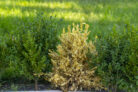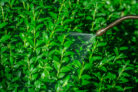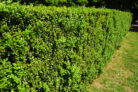
Let’s be honest: boxwoods are having a rough time lately. A few new pests and diseases have hit the scene, and unfortunately, there isn’t a “magic pill” to fix them just yet. Sometimes these hardy shrubs bounce back, but more often than not, they end up throwing in the towel. It’s not always easy to tell when a boxwood is worth fighting for, so I’ve put together a quick guide to help you decide.
The Biggest Threats to Your Boxwoods
Back in the early 2000s, the box tree moth was accidentally introduced from East Asia. This little moth lays its eggs right in the heart of the boxwood, and once those caterpillars hatch, they have a massive appetite. They basically “defoliate” the shrub from the inside out. Because a well-manicured boxwood is so dense on the outside, you often don’t notice the destruction until it’s well underway. That’s why treating an infestation often starts way too late.
The other major threat is boxwood blight. This is caused by a fungus called *Cylindrocladium buxicola*, another relatively recent arrival that has proven to be incredibly stubborn. It’s safe to say that blight will continue to be one of the defining plant diseases for the foreseeable future, giving gardeners headaches for years to come.
Spotting the Symptoms Early
Box tree moth caterpillars are green with a distinct pattern and grow to about 2 inches long. Starting in early spring, make it a habit to peek inside your shrubs to catch them early. You need to take action immediately if you see:
- Chewed-up leaves or branches stripped down to the “skeleton”
- White webbing or tiny green droppings (frass)
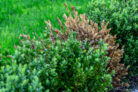
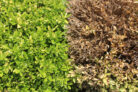
- Yellow or brown spots on the leaves
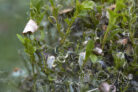
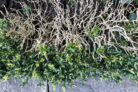
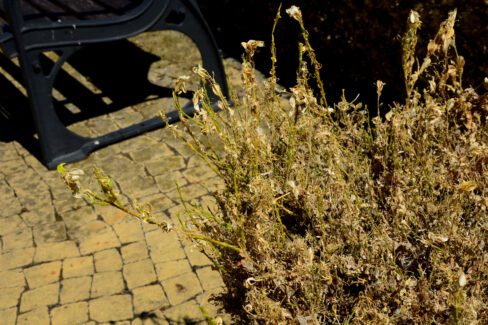
As for boxwood blight, keep an eye out during warm, humid summers. It usually starts with dark brown spots that spread fast. If you look at the underside of the leaves, you might see tiny white dots—those are the fungal spores. Eventually, the leaves drop, and the stems die back and dry out completely.
How to Save Your Boxwoods
While there isn’t a single “cure-all” product on the market, experience shows that you can save your boxwoods if you’re consistent with your care. Try these steps for a few years in a row to build up their resilience:
- Prune your boxwoods between January and March (pick a day that is dry and frost-free).
- In early April, dust the foliage with calcified seaweed (algae lime).
- Keep your soil pH between 7 and 8.
- Make sure the plants are getting the right amount of water and nutrients—don’t let them get stressed!
Pro Tip:
When planting, make sure your boxwoods aren’t crowded too closely to other plants; they need good air circulation. Also, varieties like ‘Faulkner’ and ‘Herrenhausen’ are known to be a bit more resistant to these issues.
When to Call It Quits
The further a disease progresses—and the later in the season you try to fight it—the lower the chances of a full recovery. If you have to do a radical “hard prune” late in the year, the plant might not have enough energy to sprout back in the spring. If the outlook is looking grim, it’s often better to just remove the boxwood entirely to protect the rest of your healthy garden.