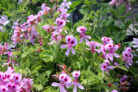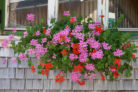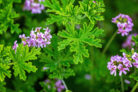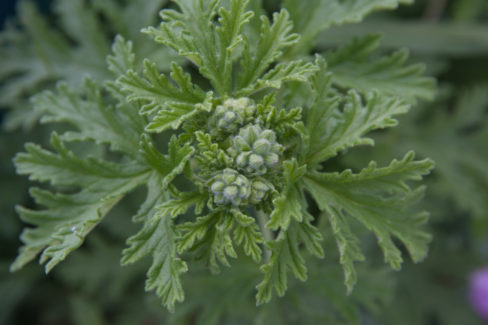
Scented geraniums are a total treat for the senses, with leaves that smell like everything from zesty lemon and cool mint to romantic roses. But let’s be real: as much as we love that fragrance, we also want those vibrant pops of color on our summer patios! It’s a huge letdown when your plants stay green but never produce a single bud.
Why Your Scented Geraniums Aren’t Blooming
- Skipping the pruning
- Wrong fertilizer or nutrient deficiencies
- Letting them get too dry
- Frost damage
- Diseases and pests
Quick Tip:
Even if your geranium is being stubborn about blooming, those essential oils in the leaves are still working hard! They are great for naturally repelling wasps and mosquitoes. Plus, did you know the leaves are actually edible?
The Importance of Pruning
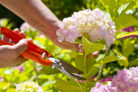
All scented geranium varieties produce flowers on new growth. To get a ton of fresh stems, you really need to give your plants a good pruning—cutting them back to about 4 inches—either before or after their winter nap. If you skip this, you’ll end up with a lot of green foliage but very little color. If it’s still early in the season, don’t worry! These plants grow fast, so you can still do a late trim to help jumpstart the blooming process.
Feeding Your Plants Right
From April through September, your scented geraniums need a regular feeding schedule. Make sure you’re using the right stuff—look for a liquid fertilizer specifically formulated for flowering plants. Phosphorus is the secret ingredient for big blooms, while too much nitrogen will just give you lots of leaves.
Pro-Tip:
Used coffee grounds are a fantastic natural fertilizer because they have a great mix of nitrogen, potassium, and phosphorus. Just make sure to let the grounds dry out before spreading them around your plants, otherwise, they can get moldy.
Don’t Let Them Go Thirsty
During the peak growing season (April to September), you shouldn’t let the root ball stay dry for too long. While these plants hate “wet feet” (soggy soil), they need consistent moisture to keep growing and power through their blooming season.
Watch Out for Late Frosts
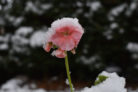
Those first warm spring days are tempting, but don’t rush to move your plants outside too early. Even if the afternoons feel like summer, a surprise overnight frost can do real damage. If your scented pelargonium (the fancy botanical name!) isn’t blooming, it might be recovering from a bit of frostbite. Trim off any damaged parts and wait for new growth to emerge.
Pests and Diseases
High humidity or getting water directly on the leaves and flowers can invite fungi and pests to the party. When a plant is busy fighting off an “infestation,” it simply doesn’t have the energy left to create beautiful buds. Keep an eye out and treat issues early so your plant can focus on its floral display!