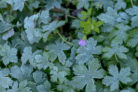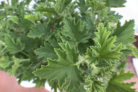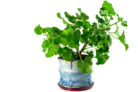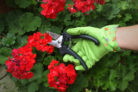
If you’re looking for a real showstopper for your garden, look no further than the Cranesbill (Geranium). With its gorgeous foliage and delicate, often bicolor blooms, it’s the perfect way to brighten up those tricky, shady corners where other flowers just won’t grow. Even though these beauties are famously low-maintenance, they still need a little TLC to really thrive.
Fun Facts About Cranesbill
Cranesbill belongs to the Geraniaceae family and comes in an incredible variety of shapes and sizes. I’m a huge fan of the hybrids—they’re naturally sterile, which means they won’t drop seeds and take over your entire yard. When planted strategically, Cranesbill creates a lush, dense carpet that’s perfect for filling empty patches or acting as a “living mulch” under shrubs. If you mix and match different varieties based on their bloom times, you can enjoy those glowing, cup-shaped flowers from early spring all the way into late fall!
Location and Soil
One of the best things about Cranesbill is its versatility; it’s happy anywhere from full sun to partial shade. If you’re planting the taller or climbing varieties, try to pick a spot that’s a bit sheltered from the wind. As for the soil, these plants love it rich in nutrients and organic matter. Just make sure the area drains well—Cranesbill hates “wet feet” (standing water). Give them a regular drink, but keep it light; the goal is to keep the soil consistently moist, not soggy.
How to Plant
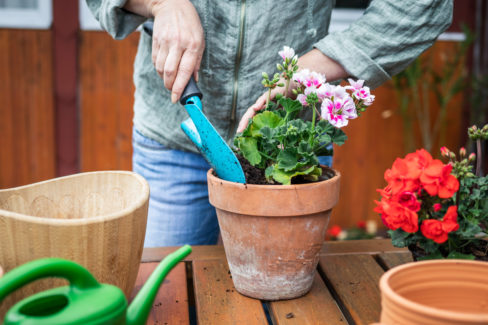
Spring is the prime time to get your Cranesbill in the ground. Here’s a quick step-by-step to get you started:
- Dig planting holes for all your new additions at the chosen site.
- A good rule of thumb is about eight plants per square yard.
- Space them at least 14 inches apart, as they love to spread out.
- Pop the plants into their holes and fill them back in with soil.
- Give them a good soak right away and keep the soil lightly moist while they settle in.
Sowing and Dividing
While buying established perennials is the easiest route, growing them from seed is another great option. Start your seeds in trays in early spring, using a plastic cover to create a warm, humid “mini-greenhouse” effect. Once the seedlings have grown their third leaf, they’re ready to move outdoors. Just keep in mind that seed-grown plants usually won’t bloom until their second year.
If you already have a healthy Cranesbill patch, you can easily propagate them by division. Just dig up a vigorous mother plant and gently pull it apart by hand (or use a spade for tougher roots). Make sure every piece has both roots and shoots, then get them back into the ground at their new spot immediately.