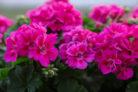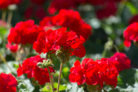
Sure, geraniums could technically survive with almost no fertilizer—they’d keep pushing out plenty of green leaves. But if you’re looking for those iconic pops of color all summer long, you’re going to be disappointed. To get a truly spectacular show of blooms, these plants need a steady, well-balanced diet of the right nutrients.
A blooming geranium is a hungry geranium
The plants we usually call geraniums are actually *Pelargoniums*, and they hail from South Africa. In our gardens, their blooming season can be impressively long, but only if you keep their “big hunger” satisfied without any gaps in feeding.
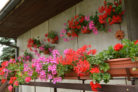
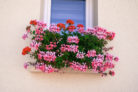
This is especially true for those popular trailing geraniums in window boxes. Because they’re growing in a relatively small amount of soil, they run through nutrients fast. Plus, a well-fed geranium is a tough geranium; they develop a much better resistance to diseases and are less likely to be bothered by pests.
Choosing the right nutrients
When picking out a fertilizer, it’s all about the ingredients. Since geraniums are heavy bloomers, they specifically crave potassium and magnesium. Nitrogen, on the other hand, mostly just fuels leaf growth. You can play it safe with a specialized geranium fertilizer, though those can be a bit pricey. Honestly, these options work just as well:
- Standard all-purpose flower fertilizer
- Liquid fertilizer specifically for flowering plants
- Compost (great as a “starter” boost)
Pro Tip:
Even though slow-release fertilizers are marketed as a “set it and forget it” solution, they aren’t always the best fit for geraniums. While they do release nutrients over a long period, they don’t always deliver them as consistently as a hungry geranium prefers.
Using “Blaukorn” (Blue Granules)
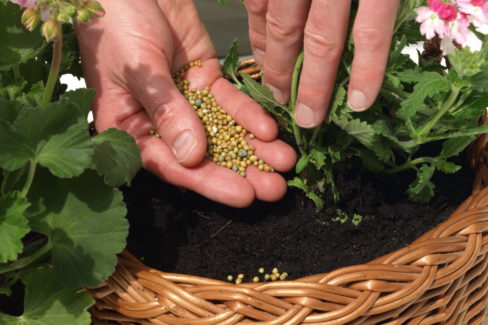
Many seasoned gardeners swear by “Blaukorn” (a classic NPK mineral fertilizer). However, you have to be careful with the dosage, or you’ll risk burning the roots. A good rule of thumb is 1 tablespoon per 2.5 gallons (10 liters) of water. Use this nutrient solution to water your geraniums once a week.
Natural feeding with coffee grounds
Most of us have coffee grounds sitting in the kitchen anyway. Many gardeners already know how nutrient-rich they are and don’t let this free “home remedy” go to waste. Geraniums are among the plants that absolutely love this natural boost. You can work a little bit of grounds into the soil once a week.
When and how often should you fertilize?
The feeding frenzy starts in mid-May, right when winter dormancy ends and the geraniums move outdoors. The only exception is if you’ve just planted or repotted them into fresh, high-quality potting soil; in that case, they’re usually good for the first few weeks.
How often you need to feed depends on the size of the plant, the time of year, and the type of fertilizer you’re using. Generally speaking, it’s better to fertilize more often with smaller doses. Come September and October, start scaling back the feedings, then stop entirely until the new season begins.
Pro Tip:
Try to keep water and fertilizer off the leaves and flowers. If the sun hits those wet spots, it can act like a magnifying glass and cause nasty burns.
Dealing with yellow leaves
If your geranium starts showing yellow leaves while the leaf veins stay green, your plant is sending an SOS for nutrients—specifically iron. You can fix this pretty quickly by applying a targeted iron supplement or fertilizer.