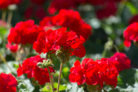
We all love geraniums for that explosion of color they bring to our porches and balconies. If yours are refusing to bloom, it can feel like a total letdown—like you planted a bunch of green leaves for nothing! But don’t give up hope just yet; these plants are resilient. Once you figure out what’s bothering them and fix the issue, you’ll start seeing those first buds pop up in no time.
Not Enough Light
Pelargoniums (the technical name for our beloved geraniums) hail from South Africa, so they are total sun-worshippers. During their blooming season from May to October, they need plenty of light. If they’re stuck in a shady spot, they just won’t perform. Other light-related culprits include:
- Weeks of gloomy, overcast skies
- Planting them too close together
- Too much leafy growth shading out the rest of the plant
Try moving them to a sunnier location and pruning back some of the larger leaves so light can actually reach the center of the plant.
Too Much Water
Whether you have upright, trailing, or scented geraniums, they all like moist soil—but they hate “wet feet.” If you don’t have a good drainage layer or your pot’s drainage holes are too small, you’ll end up with waterlogging. Constant rain can also cause issues; you might see buds form, only to have them dry up and fall off before they open.
- Stop watering immediately
- Let the soil dry out a bit
- Switch to watering more frequently but with smaller amounts
- If the soil is swampy, repot the plant
- Trim away any rotting roots during the process
- Move them under a roof during long rainy spells
Pro Tip:
Geraniums actually handle short dry spells pretty well. In fact, a little “drought stress” can sometimes trigger them to bloom even more vigorously! Just don’t let them stay bone-dry for too long, or they’ll stop blooming altogether.
Nutrient Deficiencies and Bad Soil
A geranium in a pot has a very limited “pantry” to pull from. That’s why using high-quality potting mix is so important. You don’t necessarily need the most expensive brand, but it should be airy, nutrient-rich, and hold its structure. When it comes to fertilizing, avoid anything too heavy on nitrogen—that just gives you lots of leaves and no flowers. Look for something with plenty of potassium and magnesium. A specialized geranium food or a liquid fertilizer for flowering plants works wonders.
Warm Overwintering
If your geranium is acting stubborn, it might have spent the winter somewhere too warm and dark. This causes the plant to wake up too early, resulting in “leggy” growth—thin, weak stems and pale green leaves. Give the plant a good, hard prune to stimulate new flower growth, and make sure to find a better winter spot next year.
Lack of Hardening Off
Store-bought geraniums are often raised in cozy, climate-controlled greenhouses. When they hit your balcony, the fluctuating temperatures can be a total shock. If they haven’t been “hardened off” (gradually acclimated to the outdoors), they might drop their buds. It usually takes about four weeks for them to bounce back. As a rule of thumb, wait until after the last frost to put them out; temperatures below 50°F (10°C) can put the brakes on flower production.
Pests and Diseases
There are quite a few diseases and pests that can sap the energy right out of your plants. Listing them all would take all day, but the key is to keep a close eye on your greenery. If you spot something funky, act fast with the right treatment so your plant can get back to the business of blooming!