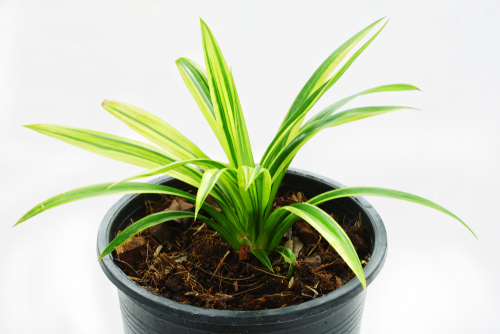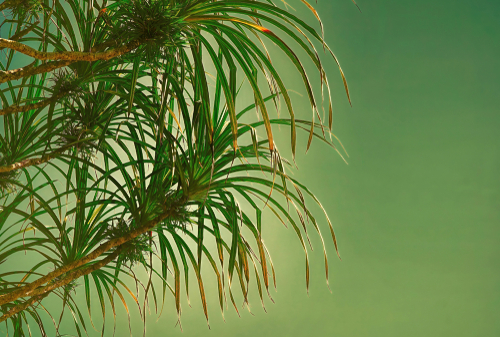
The Screw Pine (Pandanus) is a total showstopper in any indoor garden, thanks to those iconic leaves that grow in a cool, spiral pattern. Since these tropical beauties can’t handle the cold, they’re perfect as year-round houseplants or sunroom centerpieces. While they’re generally pretty low-maintenance, you might occasionally notice some frustrating brown leaves.
Why is my Screw Pine turning brown?
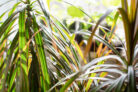
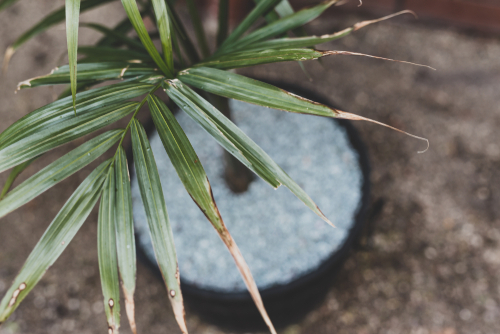
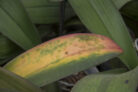
If you notice the leaves or tips of your Screw Pine turning brown and crispy, it’s usually a cry for help regarding hydration. Most likely, the soil has dried out too much for the roots to keep up, or the air in your home is just too dry. To get your plant back on track and prevent further damage, here’s what you should do:
- Give your tree a thorough watering, making sure the excess drains out of the bottom of the pot.
- Lightly mist the leaves with filtered or lime-free water.
- In a pinch, you can give the whole plant a quick, gentle lukewarm shower.
- Boost the humidity by placing water trays or pebble trays between your plants.
- A decorative indoor fountain is another stylish way to keep the air moist.
Watering your Screw Pine the right way
When it comes to hydration, the Screw Pine actually prefers a “less is more” approach. Overwatering is its biggest enemy because the roots are very sensitive to standing water. It’s much better to give it small, frequent drinks rather than one giant soak. One pro tip: never pour water directly into the leaf axils (where the leaves meet the stem). Water trapped there can lead to rot pretty quickly.
Instead, pour water directly onto the soil or into the decorative outer pot. If you water from the bottom, make sure to empty the saucer or outer pot after about an hour. Once the roots have had their fill, they shouldn’t sit in “wet feet,” or they’ll start to decay. A good rule of thumb is to wait until the top inch or so of soil feels dry before watering again.
Finding the perfect spot
Beyond careful watering and high humidity, your Screw Pine craves bright, indirect light. It loves a sunny room but can actually get scorched in direct, harsh sunlight. If you decide to move it outside for the summer, make sure to acclimate it slowly so it doesn’t get “sunburned.” If your home is a bit on the dark side, don’t worry—a simple LED grow light can easily make up for the lack of natural sunshine.