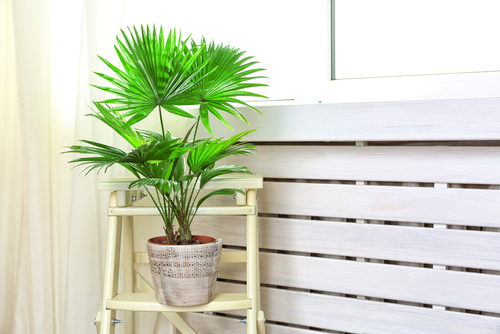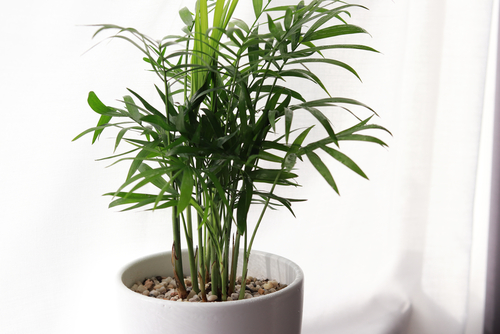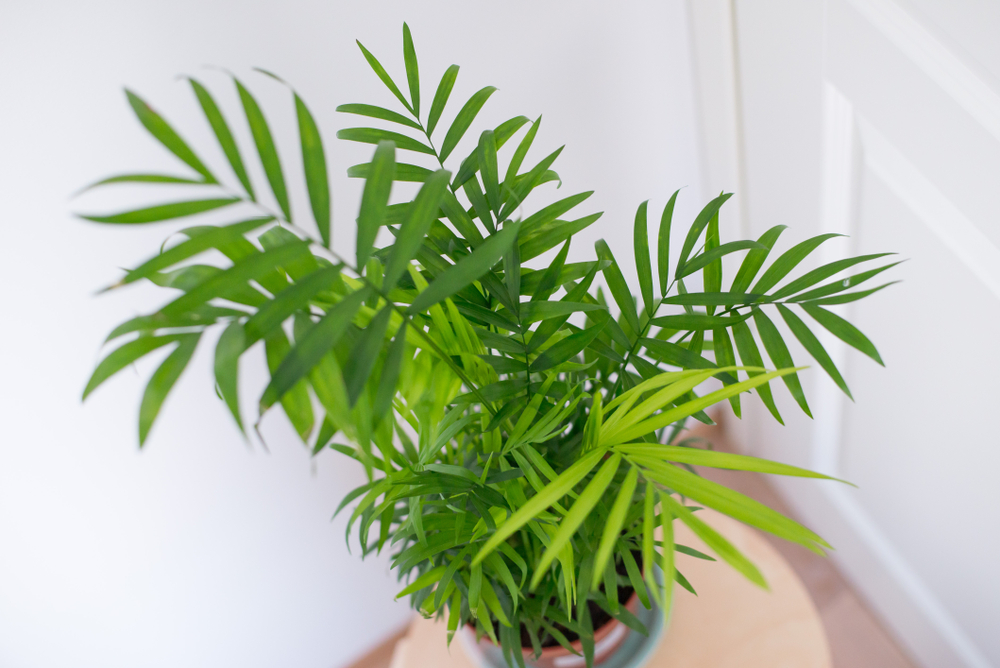
While there are tons of different indoor palm varieties out there—each with its own little personality—most of them share pretty similar tastes when it comes to hydration. Generally speaking, palms crave warmth and bright light. Just keep in mind that the warmer and sunnier their spot is, the thirstier they’re going to be!
Watering Your Indoor Palm
Since most indoor palms hail from tropical or subtropical climates, they love regular watering and high humidity. If the air in your home gets too dry, your palm might get stressed out, making it a prime target for pesky garden pests.
As a rule of thumb, you’ll want to water your palm once the top layer of soil feels a bit dry to the touch. In a typical room temperature setting, this usually happens about once a week. However, keep an eye on things during the winter—cranking up the heater can dry out the soil faster than you’d think! Your palm will also love a good misting or even a quick “shower” in the sink now and then. For the best results, try to water in the morning or evening when the sun isn’t at its peak.
To give the humidity a boost, you can place small bowls of water on your windowsill or even set up a cute indoor fountain nearby.
Avoid Overwatering
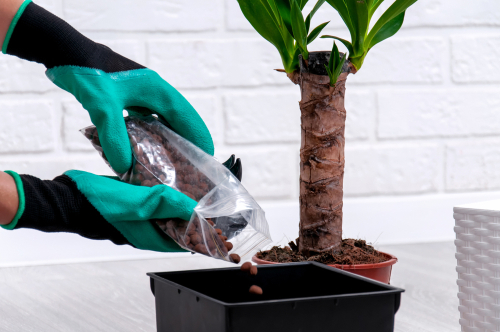
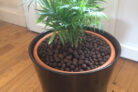
If there’s one thing palms hate, it’s “wet feet.” Standing water is a big no-no. To prevent root rot, it’s a great idea to add a drainage layer of expanded clay pebbles or coarse gravel at the bottom of your pots. If you’ve got a store-bought plant that hasn’t been repotted yet, just make sure to double-check that no extra water is sitting in the saucer or the decorative outer pot.
The Soaking Method
If you ever realize your palm’s soil has become bone-dry, the soaking method is a total lifesaver:
- Place the entire pot into a bucket.
- Fill the bucket with enough water to completely submerge the root ball.
- Wait until you stop seeing air bubbles rising to the surface.
- Now that the soil is thoroughly saturated, your plant won’t need another drink for several days.
- Skip this method in the winter, though! The soil stays wet for a long time, and palms don’t need nearly that much moisture during their dormant phase.
What Kind of Water Should You Use?
Since palms are tropical at heart, they prefer their water at room temperature—ice-cold water can be a bit of a shock to their system. Regular tap water is usually fine, but it’s a good idea to let it sit out for a bit so the lime can settle. If you really want to treat your green friends, rainwater is always the gold standard!