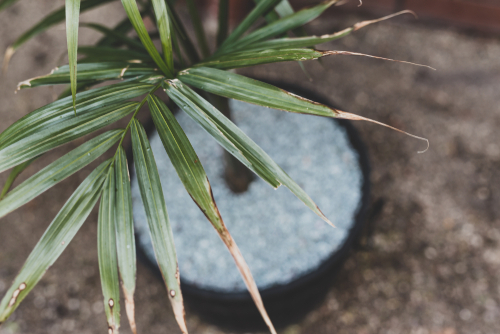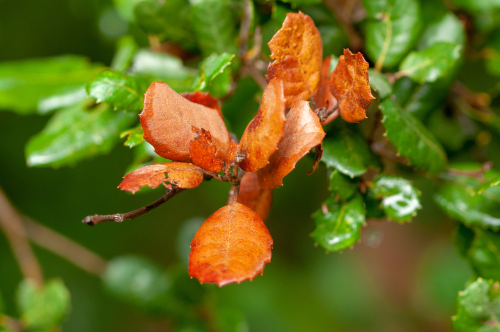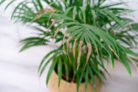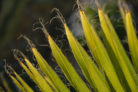
If you’re noticing brown leaves or crispy tips on your fan palm, it’s usually a cry for help. Most of the time, these brown spots are caused by a simple hiccup in your care routine. To get your palm back to its lush, green self, you’ll need to do a little detective work and check its growing conditions.
Checking Your Care Routine
To keep an indoor palm happy and thriving, you need to keep an eye on these key factors:
- The right location
- High humidity levels
- Consistent watering
- Proper nutrients
- A safe winter home
- Regular pest checks
Finding the Perfect Spot
Fan palms are sun-lovers! They need at least four to six hours of direct sunlight every day. If your palm is tucked away in a dark corner, it’ll start showing its frustration with discolored leaves. If you can’t move it to a brighter window—especially during those gloomy winter months—consider picking up a grow light to give it the “sunshine” it craves.
Boosting the Humidity
Since fan palms are tropical natives, they absolutely love humid air. If your home is a bit dry, try placing a tray of water nearby; as the water evaporates, it creates a nice little microclimate. A small indoor fountain or a humidifier works wonders, too. Also, your palm will love a regular misting with filtered or rainwater (it’s not a big fan of harsh lime in tap water).
Getting the Watering Right
When a fan palm’s water balance is off, it lets you know with brown leaves. This can happen if the soil is bone-dry or if it’s sitting in a swamp. The “sweet spot” is to wait until the top inch or two of soil feels dry, then give it a deep, thorough watering. It’s fine if water runs into the saucer, but make sure to dump out any excess after about 20 minutes so the roots don’t rot.
Feeding Your Palm
During the growing season (April through September), your palm needs regular meals. An organic fertilizer is a great choice, but if you want to keep things simple, just use a specialized palm fertilizer and follow the label’s instructions. Be careful not to overdo it—too much fertilizer can burn the roots, which leads to leaf discoloration. Give the plant a break from feeding during the winter months (October to March).
Winter Protection
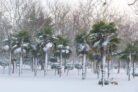
To avoid frost damage and those dreaded brown leaves, make sure your palm is moved to its winter quarters before the first freeze. It needs a bright, frost-free spot to hang out until spring returns.
Keeping Pests at Bay
It’s always a good idea to check for uninvited guests after the winter break. Spider mites love dry winter air and are easy to spot by the tiny white webs they leave behind. These little critters can really damage the foliage, so you’ll want to act fast.
Here’s how to fight back:
- Give the palm a gentle shower to rinse off the mites.
- Wipe down infested leaves with a mild soapy water solution.
- Crank up the humidity around the plant.
- Use a neem oil or rapeseed oil-based insecticide for a more thorough treatment.