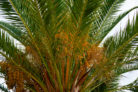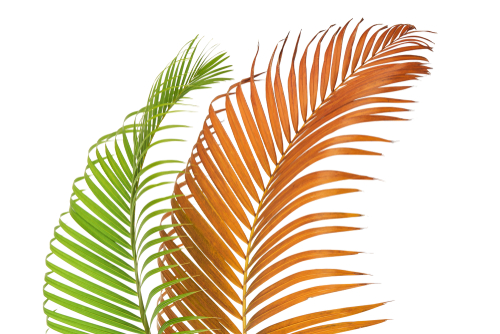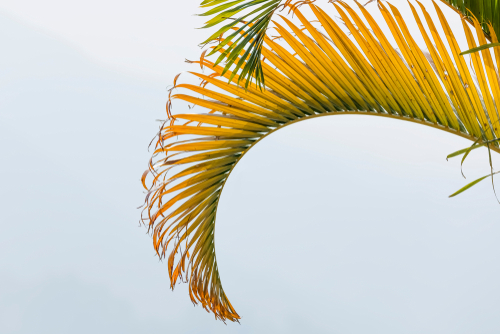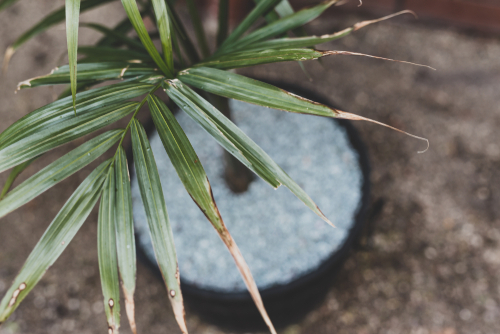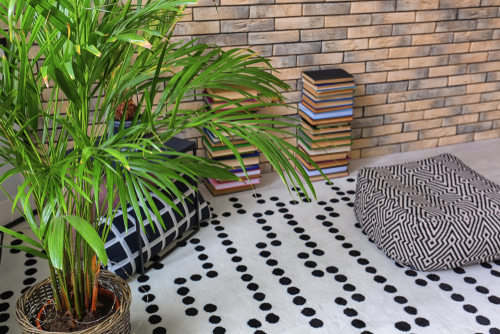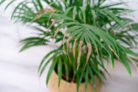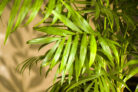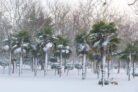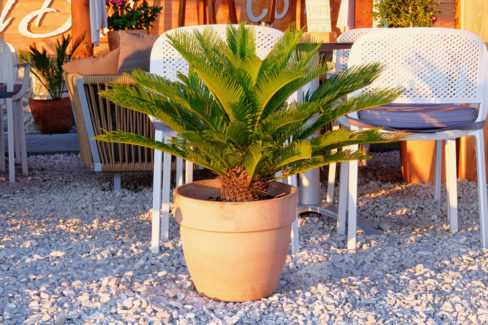
Date palms (also known as Phoenix palms) are a total classic for a reason. Whether they’re hanging out in a pot on your patio or brightening up a corner of your living room, they bring those instant Mediterranean vacation vibes right to your home. While they’re generally pretty chill to take care of, they do have a few “must-haves” to stay happy. If you start seeing brown fronds, that’s usually your palm’s way of telling you something is off.
Possible Reasons for Brown Fronds
If your palm’s leaves are turning brown, it’s usually a sign of a hiccup in its care routine. While pests or fungal issues can pop up, they usually only take hold if the plant is already stressed out. Here are the usual suspects behind those brown leaves:
- Not enough light
- Too much direct sun
- Overwatering
- Soil that’s too dry
- Nutrient deficiencies
How to Grow a Happy Date Palm
The secret to a thriving date palm is all about location, location, location. They’re happy in the living room or out on the deck, as long as they get plenty of light. If it’s too dark, the plant can’t photosynthesize properly and will start to look a bit sad. However, you want to watch out for harsh, direct sunlight—especially that intense midday heat. It can actually sunburn the leaves, leaving them scorched and brown.
Humidity Matters
Since these palms have tropical roots, they absolutely love humidity. Dry air is often the culprit behind brown tips, especially during the winter when the heater is running. To keep yours happy, try misting the fronds regularly with lukewarm water, or set up a humidifier or a small indoor fountain nearby to keep the air moist.
Watering 101
When it comes to watering, wait until the top layer of soil feels dry to the touch. Then, give it a good soak, but make sure the pot drains well—palms hate “wet feet” (standing water). You want the root ball to stay consistently moist, but never soggy. If the roots get too dry or too waterlogged, they’ll get damaged, and the plant won’t be able to soak up the nutrients it needs to survive.
Dealing with Brown Leaves
If you do end up with some brown fronds or crispy tips, don’t worry—you can tidy them up. Just wait until the leaf is completely dried out, then use a pair of sharp, clean shears to snip it off. When removing a whole frond, leave a small stub (about an inch or two) rather than cutting flush to the trunk.