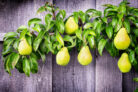
If you’re dreaming of a backyard harvest full of juicy pears, there’s one thing you need to know: pear trees aren’t exactly “loners.” To get a great crop, your tree usually needs a partner for pollination. Most pear trees aren’t self-fertile, meaning they can’t do the job all by themselves. Let’s dive into how this works!
The Lowdown on Pear Pollination
Even though a pear blossom has both male and female parts, it generally can’t pollinate itself. It needs a second pear tree nearby—ideally within about half a mile—to get the job done. To make things a bit more complex, many pear varieties are picky and need a specific *type* of partner tree to cross-pollinate successfully. When you’re shopping for a tree, it’s a great idea to check a pollination chart or ask your local nursery pro which “buddy” your specific variety needs.
How Does the Magic Happen?
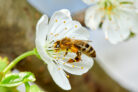
We owe our fruit harvests to the hard-working insects in our gardens. While honeybees get a lot of the credit (and give us honey as a bonus!), bumblebees and other wild insects are often the real MVPs. Bumblebees are early risers; they’ll start foraging when it’s only 45°F (7°C), while honeybees usually wait until it hits about 54°F (12°C). If you want to boost your pollination chances, make your garden a sanctuary for these beneficial bugs. As they hop from tree to tree looking for nectar, they carry the pollen that turns those blossoms into fruit.
What Happens Without Pollination?
If the weather stays too chilly for bugs to fly, or if there isn’t a compatible pear tree nearby, you’ll run into trouble. The blossoms might just drop off the tree, or you’ll end up with tiny, misshapen fruit. A clever workaround is to buy a “multi-graft” tree—this is one tree that has several different pear varieties grafted onto a single trunk. It’s a self-contained pollination party!
Still No Pears? Here’s Why
If your tree looks healthy but isn’t producing, there might be other factors at play. Here are a few common culprits:
- The wrong spot
- Pest problems
- Late spring frosts
The Right Location
Pears are a bit particular about their home. They love well-draining, rich soil packed with nutrients. If the ground is too heavy or stays soggy, the tree won’t thrive, and your fruit count will suffer. They also crave a warm, sunny spot that’s protected from harsh winds.
Pest Problems
A few specific pests can ruin a harvest before it even starts. The pear bud weevil is a big one—its larvae eat the blossoms from the inside out, stopping pollination in its tracks. Then there’s the winter moth; its hungry caterpillars will munch on everything from leaves to the young fruit itself.
Pro Tip: If there aren’t any other pear trees in your neighborhood, you can try a “bouquet” trick. Cut a few flowering branches from a different pear variety (ask a friend or neighbor!) and place them in a bucket of water right under your blooming tree. The local bees will visit both and spread the pollen for you!