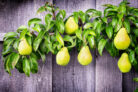
Pears aren’t exactly “loners” in the garden. Most pear trees aren’t self-fertile, meaning they need a buddy—specifically a different variety of pear tree—nearby to actually produce fruit. If you’ve ever wondered how those tiny blossoms turn into juicy pears, let’s dive into the world of pollination.
What Exactly Is Pollination?
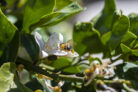
Think of pollination as nature’s delivery service. For a pear tree to produce fruit, pollen needs to travel from one flower to another. Since pear trees can’t move, they rely on “couriers” like honeybees, bumblebees, and wild bees. When these busy insects visit a flower to sip on nectar, they accidentally brush against the stamens and get coated in pollen. When they fly over to the next tree, they drop that pollen off, and—voilà!—pollination happens.
Once the pollen from a different tree reaches the stigma of a flower, it fertilizes the egg cell inside. That fertilized cell eventually becomes a seed, which grows a protective layer of tasty flesh around it. That’s how you get those delicious fruits we all love.
Blooming Season and Fertilization
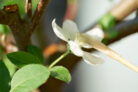
Pear trees are early birds, usually blooming between April and May. Their flowers have five white petals and are about an inch or so wide. One thing you might notice? They don’t exactly smell like roses—the scent is actually a bit pungent!
Pear blossoms are “hermaphroditic,” meaning each flower has both female parts (the ovary, style, and stigma) and male parts (the anthers). However, here’s the catch: a pear tree is picky. It won’t accept its own pollen, and it won’t even accept pollen from another tree of the exact same variety. To get a harvest, you need a different variety planted nearby to act as a cross-pollinator.
Weather and Successful Fertilization
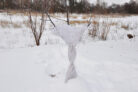
Because pears bloom so early in the spring, late frosts can be a real party pooper. To protect your harvest, try planting your tree against a warm, south-facing wall. If you have a smaller tree, you can even toss some garden fleece over it on freezing nights.
The weather also affects our buzzing helpers. If it’s a rainy spring, insects have a hard time getting around. Honeybees and hoverflies usually wait until it’s at least 54°F (12°C) to start working, though hardy bumblebees will head out at temperatures as low as 45°F (7°C).
To give your trees the best chance, make your garden a bee sanctuary! Avoid using insecticides and consider putting up an “insect hotel” to give wild bees a place to nest.
Pro Tip: If you’re short on space, look for “multi-graft” or “combination” pear trees. These are single trees that have two different varieties grafted onto one trunk, ensuring they can pollinate each other even in a tiny backyard.