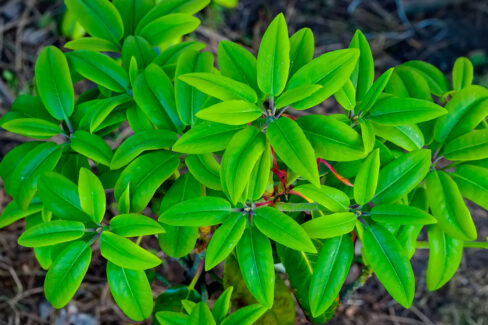
Cherry laurels are pretty low-maintenance neighbors for your garden. They’re tough enough to handle relatively dry soil without breaking a sweat, but every now and then, they might hit a growth spurt plateau or start looking a little sad. If your laurel isn’t thriving, here are the most common culprits and how to fix them.
Location, Location, Location
Since cherry laurels keep their leaves all winter long, they need the right environment to keep that foliage nourished year-round. One big mistake is planting them in direct, harsh sunlight. During cold winter snaps, bright sunny days can actually mess with the plant’s nutrient flow, which ends up stalling its growth.
On the flip side, “wet feet” is a major no-no. While you want to water them regularly, they hate sitting in a puddle. If your soil doesn’t drain well and water pools around the roots, you’re looking at potential root rot. You’ll usually see the first signs of trouble in the leaves—they’re basically the plant’s health monitor. If the ground is too soggy, you might need to transplant your laurel to a better spot or dig in a drainage layer to help the water move along.
Dealing with Frost Damage
Generally speaking, cherry laurels are hardy, but not every variety handles a long, brutal cold snap the same way. Sometimes the tips of the shoots or the new buds will freeze, which puts the brakes on any new growth. To get things moving again, you’ll need to prune those damaged areas back until you hit healthy wood. It sounds counterintuitive, but a good trim actually jump-starts the plant’s growth engine.
The Tools You’ll Need:
- Gardening gloves
- A sharp pair of pruning shears
- Pruning sealer (optional, for larger cuts)
Wait until the threat of frost has passed in the spring before you start clipping. Grab a clean, sharp pair of shears and look for branches that look gray or unusually dark—that’s your frost damage. Cut those back until you see healthy wood inside. This encourages the plant to branch out and fill in. Don’t forget to pluck off any frost-bitten leaves or buds while you’re at it. This little bit of “tough love” stimulates the plant to push out fresh, green growth.