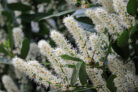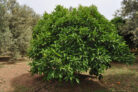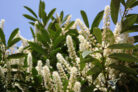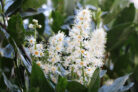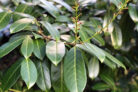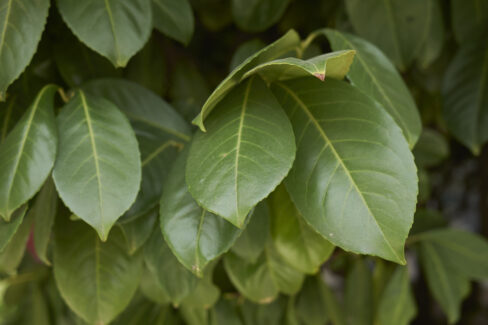
Cherry laurels are actually pretty tough when it comes to chilly weather. However, depending on the specific variety you have, some parts of the plant might get a little freezer burn, or you might need to step in with some winter prep. Here’s the lowdown on how to keep your cherry laurel safe and sound through the frost.
How much cold can a cherry laurel actually handle?
Some cherry laurel varieties are real troopers, handling temperatures as low as -4 degrees Fahrenheit (-20°C). But keep in mind, not every type is that hardy. During long cold snaps, you might notice some dieback on the branches. Young shoots and fresh buds are usually the first to feel the bite. Once spring rolls around, give your laurel a quick check-up. You’re looking for gray or dark brown patches, or young shoots that look wilted—those are telltale signs of frost damage.
If you spot some damage, don’t panic! Just grab a pair of sharp, clean pruning shears and get to work. Cut those frozen bits back until you hit healthy wood. You don’t need to be too delicate here; cherry laurels are vigorous growers and will bounce back even after a heavy pruning.
Winter care tips for your cherry laurel
If your variety isn’t the most cold-tolerant, it’s a good idea to prep early. Potted cherry laurels are especially vulnerable because their roots aren’t insulated by the ground. To keep them cozy, move your pots to a spot shielded from the wind or wrap the outside of the container in some burlap or garden fleece.
Young plants in the ground can also use a little extra help. A thick layer of bark mulch or fallen leaves around the base works wonders as natural insulation. You can also stick some evergreen boughs into the soil around young plants. This acts as a windbreak against those biting winter gusts and stays put even when the weather gets stormy.