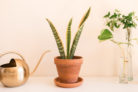
Snake plants (botanically known as *Sansevieria*) are famous for being some of the most low-maintenance houseplants out there. But if you want to make life even easier, try growing your “Mother-in-Law’s Tongue” in hydroponics. It’s a total game-changer, though you do have to be careful not to let that water level get too high!
Switching to Hydroponics
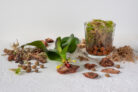
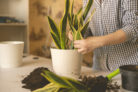
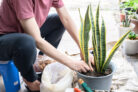
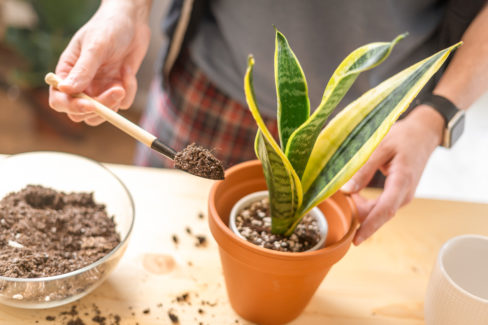
If you’ve already got a snake plant growing in traditional potting soil, switching it over to hydro can be a bit tricky. The main issue is that you have to scrub every single bit of dirt off the roots before moving it. If even a little soil stays trapped in the root ball, it can lead to mold or rot once it hits the water system.
A much better way to go is to start fresh when you’re propagating your plants. If you’re dividing a large plant, just take one of the sections and set it up in its new hydro home. You can even stick leaf cuttings directly into the clay pebbles to get them started.
The Hydroponic Setup
To make sure your houseplant really thrives in a soil-free environment, there are three things you need to keep in mind:
- The type of system
- The pot size
- The size of the pebbles
The System
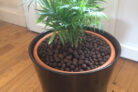
There are a few different hydroponic setups on the market these days. For snake plants, I highly recommend the “pot-in-pot” method (using an inner liner and an outer decorative planter). This allows the water to sit in the outer pot, ensuring the plant’s base doesn’t get oversaturated.
Pot Size
Don’t go too big with your pot! Snake plants actually prefer being a little bit snug; they tend to grow better when their roots are slightly restricted. Since they don’t have a massive root system, you don’t need a super deep container either.
However, do pay attention to the weight. Because snake plant leaves can grow quite tall and heavy, you’ll want a sturdy, heavy pot so the whole thing doesn’t tip over.
Pebble Size
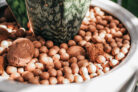
When you’re potting or repotting your Sansevieria, take a look at the size of your expanded clay pebbles (LECA). Since snake plants have relatively fine roots, they struggle to grab onto large, chunky pebbles. You’ll have much better luck using small to medium-sized grains.
Care Tips
Snake plants handle drought way better than they handle “wet feet,” so don’t get too overzealous with the watering. In a hydro setup, your water level indicator should generally stay right around the “Minimum” mark. As for when to water again? Just watch the gauge. It’s perfectly fine to let it sit at the bottom for a bit before you refill it.