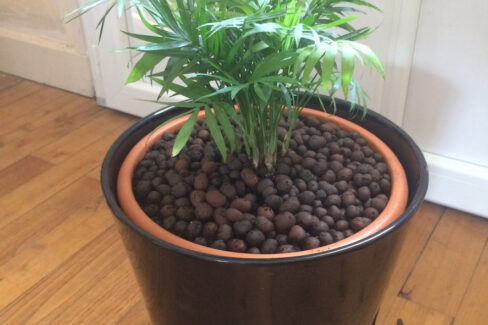
Parlor palms are absolute rockstars when it comes to hydroponics. In fact, growing them in water rather than soil is arguably the best way to keep them happy. These palms crave moisture and high humidity, and a hydroponic setup delivers both effortlessly.
Why Hydroponics is a Game-Changer
While some palm varieties are pretty drought-tolerant, the Parlor palm is definitely not one of them. If the soil gets too dry, you’ll notice those dreaded brown leaf tips almost immediately, which is a sign the plant’s metabolism is out of whack. By keeping your Parlor palm in a hydro system, the root ball never dries out—and the best part? You don’t have to constantly remind yourself to grab the watering can.
Hydroponics also makes it super easy to dial in the perfect nutrient balance for your plant. Plus, you can skip the daily misting routine! Because water is constantly evaporating from the reservoir, it creates a mini-climate of high humidity right around the fronds. This setup is the secret sauce for a thriving, lush palm. These plants are naturally hardy, and when grown this way, they rarely run into diseases or pests.
Start Your Palm in Water from Day One
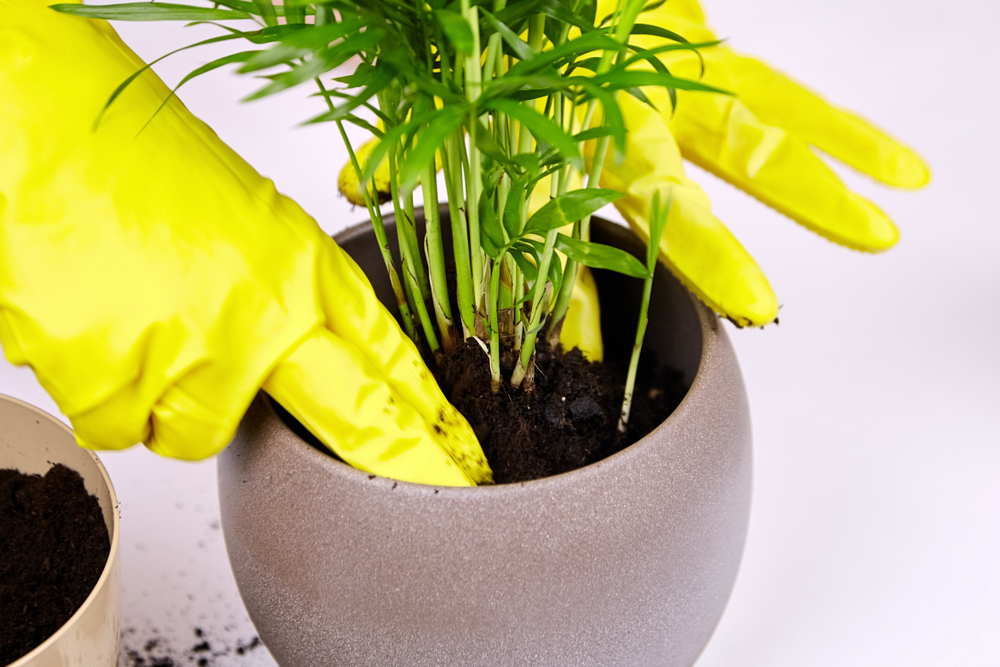
The easiest way to go is to buy a Parlor palm that’s already established in hydroculture or start a young one in water right away. Switching an older plant from soil to water can be a bit tricky because the roots have already adapted to the dirt. If you try to transplant a soil-grown palm into a hydro setup, you run the risk of the plant going into shock.
What your Parlor palm needs to thrive:
- A bright, indirect light source
- Consistent moisture
- Plenty of humidity
Finding the right “home” for your palm is key. They love bright light, but you want to avoid harsh, direct afternoon sun. Too much direct sunlight can actually scorch the leaves, leading to brown tips and dehydration. One pro tip: if you have a large palm, put the planter on a rolling caddy. Between the decorative stones and the water reservoir, these setups can get surprisingly heavy!