Many houseplants are surprisingly easy to grow using hydroponics, and the Kentia palm is no exception. In fact, since these palms love moisture, they often thrive even better in a soil-free setup. Plus, switching to hydroponics is a total game-changer if you want to avoid those common “oops” moments in plant care.
The Perks of Going Soil-Free
One of the biggest wins with hydroponics is how much it simplifies watering and feeding. Kentia palms crave consistent moisture, but they aren’t just picky about their roots—they’re also super sensitive to humidity levels in the air.
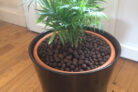
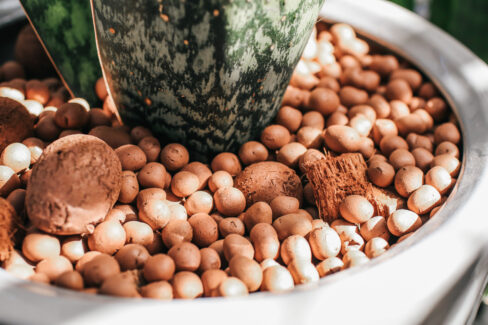
Standard potting soil doesn’t do much to humidify the air around your plant. However, the moist surface of hydroponic substrate (like clay pebbles) naturally evaporates water, boosting the local humidity right where your palm needs it most. This keeps the fronds looking lush and healthy.
Another bonus? Fewer pests and diseases. Traditional soil can harbor all sorts of tiny organisms that aren’t always great for your palm. Hydroponic substrates are much less likely to host nasty bacteria or fungi, making for a cleaner environment overall.
Getting Ready for the Switch
Kentia palms can grow pretty long taproots, so you’ll want to pick out a slightly larger planter than you might think. Just make sure the container is watertight, or that you have a decorative outer pot that won’t leak.
You’ll also need a water level indicator and a hydroponic substrate, like expanded clay pebbles (LECA). While there are specialized hydroponic nutrients out there, you can usually stick with your favorite liquid fertilizer as long as you’re consistent with it.
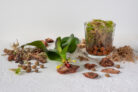
When you’re ready to plant, the main goal is to clear away as much of the old soil as possible. You don’t have to be perfect—it’s okay to leave a little bit around the root ball to avoid shock. Over the next few years, as you occasionally refresh the substrate, you can gradually wash away the remaining soil until it’s 100% clean.
Ongoing Care
One of the best things about hydroponics is that you rarely need to repot your Kentia palm. Since clay pebbles don’t break down or contain their own nutrients, the plant relies entirely on the liquid fertilizer you provide. This means staying on top of your feeding schedule is key!
Watering feels a bit different at first. My best advice? Trust your water level indicator. When you’re new to hydroponics, it’s easy to second-guess yourself and overwater (or underwater). Depending on the substrate you choose, you might find yourself watering much less often than you did with soil. It’s all about finding that rhythm!