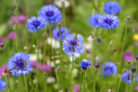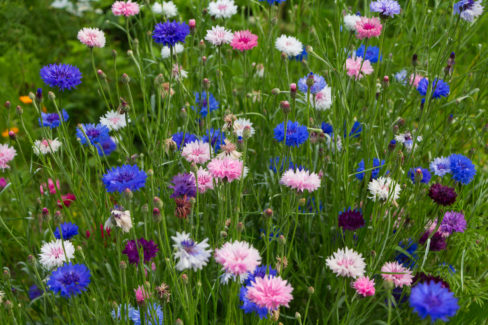
Back in the day, you’d spot cornflowers lining the edges of almost every grain field. But since those classic wild field borders are disappearing, these beauties have found a new home in our backyard gardens and balcony planters.
High Germination Success
If you’re looking for an easy win, cornflowers are the way to go. They are generally super easy to germinate! These flowers actually got their start in the eastern Mediterranean. They eventually hitched a ride across the rest of Europe, likely as “hitchhikers” mixed in with shipments of grain seeds.
Planting from April through September
One of the best things about cornflowers is that they aren’t too picky about when they get started. As long as your chosen location meets their needs, you can sow them as late as September. On the flip side, you can start sowing outdoors as early as April. If you’re eager to see those blooms as soon as possible, I recommend starting them indoors in March.
Sowing Directly in the Garden
When you’re ready to plant outdoors, wait for a stretch of weather where temperatures stay at least 54°F (12°C) to ensure the seeds sprout. A pro tip: don’t bury them deep! Cornflowers are “light germinators,” meaning they need a little sunlight to wake up. Just cover them with a very thin layer of soil and keep the area lightly moist, but not soaked.
Starting Your Seeds Indoors
If you want to get a head start by pre-growing your cornflowers indoors, here’s the game plan:
- Use small starter pots with drainage holes at the bottom.
- Pro tip: Empty yogurt cups work great too—just poke a hole in the bottom!
- Fill them with a high-quality seed-starting mix.
- Skip the fertilizer for now; they don’t need it yet.
- Press the seeds gently into the soil surface.
- Place them in a bright spot, but keep them out of harsh, direct sunlight.
- Once your seedlings have developed four leaves, they’re ready to be transplanted.