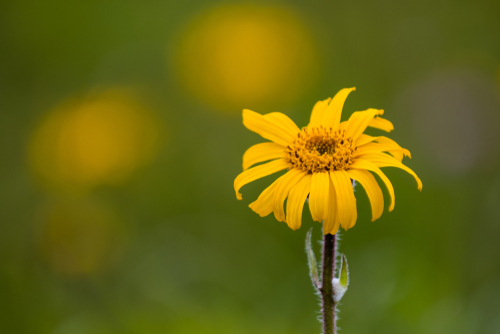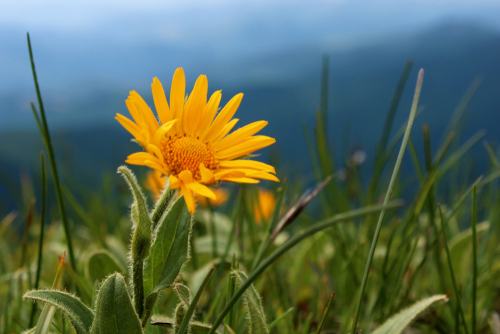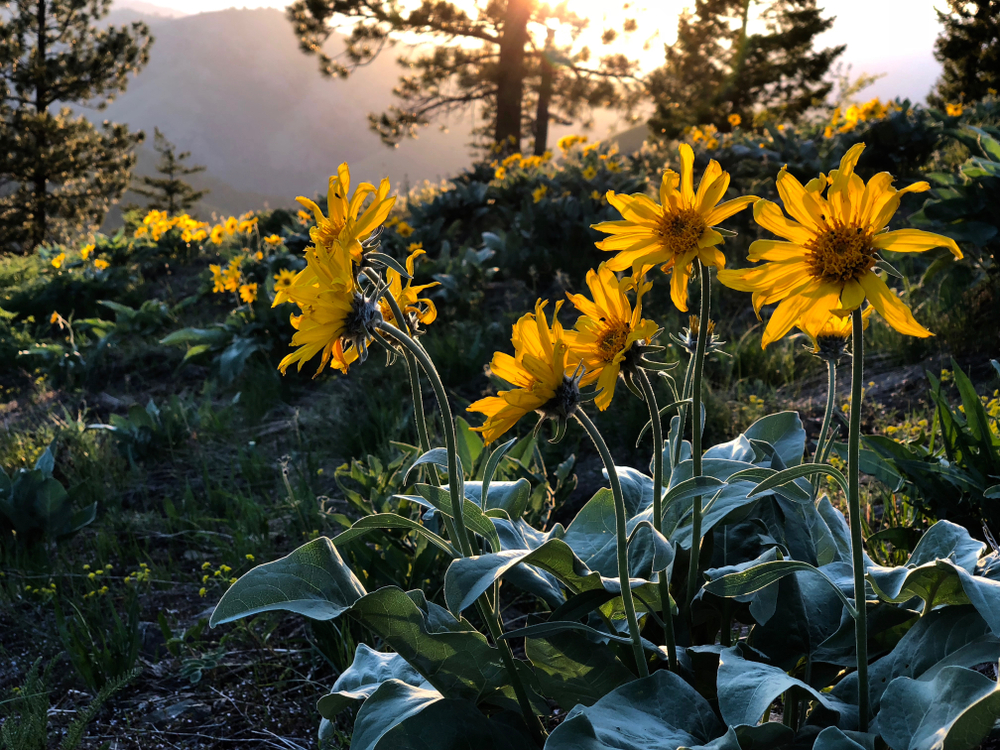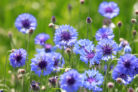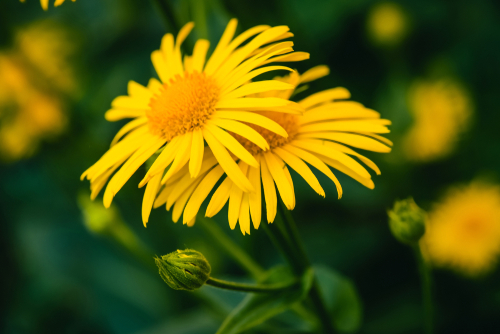
Mountain Arnica (botanical name *Arnica montana*) has been a superstar of natural medicine for centuries. Unfortunately, its popularity was almost its downfall—wild populations were harvested so heavily that they nearly disappeared. Today, Arnica is a protected species, meaning you can’t just go picking it in the wild anymore. To keep up with the demand for its healing powers, commercial farming has stepped in, but the good news is that you can also grow this hardy perennial right in your own backyard!
Growing Arnica in Your Garden
The great thing about Mountain Arnica is that it isn’t particularly needy when it comes to maintenance. The real secret to success is picking the right spot from the get-go. Here’s what your Arnica is looking for:
- A spot in full sun or light partial shade.
- Slightly acidic soil (it loves living near rhododendrons or in a peat-rich bog garden).
- Low lime/calcium content in the soil.
- Soil that stays consistently moist, but…
- …never waterlogged (good drainage is key!).
- Nutrient-poor soil (don’t over-fertilize!).
Sowing and Care
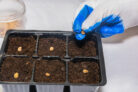
From late March through mid-May, you can start Arnica seeds outdoors using an acidic potting mix. A quick pro-tip: Arnica seeds are “light germinators,” which means they need sunlight to sprout. Just press them gently into the surface of the soil rather than burying them. I like to sprinkle a tiny bit of grass clippings on top to keep the wind from blowing the seeds away. Once the seedlings look sturdy enough, you can move them to their permanent home. Since Arnica thrives in lean soil, you rarely need to worry about fertilizer—standard garden soil usually has more than enough nutrients. The same goes for watering; unless you’re dealing with a long dry spell, you can let nature do the work. Plus, Arnica is incredibly winter-hardy, so you don’t need to worry about any special frost protection.
Commercial Arnica Cultivation
Because wild Arnica is protected, commercial cultivation and strictly monitored wild harvesting are the only ways to source it legally. A lot of the heavy lifting happens in Spain, where controlled wild collections are managed carefully. The specific variety found there, *Arnica montana atlantica*, is a favorite for industrial use because it has a lower risk of causing allergic reactions. Once harvested, the flower heads are often shipped to Germany for processing. Through a process called maceration—essentially soaking the raw flowers in water or oil—the plant releases its active healing compounds. That potent oil extract then becomes the base for all those Arnica creams and gels we know and love.