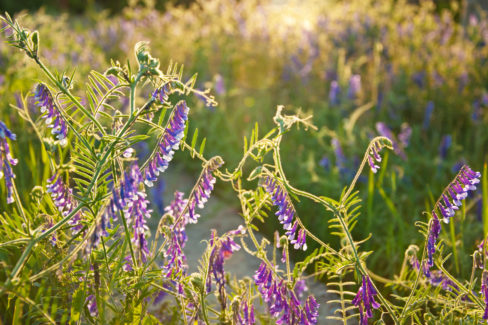
Sweet peas are the ultimate summer bloomers—they’re basically a guarantee for a colorful, fragrant garden. The best part? You don’t need a green thumb to master them. Once you get these beauties established in your yard, they’ll provide you with plenty of seeds for next year. Here’s my go-to guide on two easy ways to get your sweet peas started.
Buying or Harvesting Your Seeds
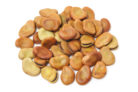
Because these climbing plants are so popular, you can find seeds just about anywhere—from big-box hardware stores and local garden centers to the seasonal aisles at the grocery store. If you’re looking for a specific, fancy variety, online specialty shops are your best bet.
If you already have sweet peas growing, you’re sitting on a goldmine of seeds. In late summer, resist the urge to deadhead a few of your favorite blooms. Let them fade, and you’ll see long, flat pods start to form. Just wait until the pods are completely dry and brittle enough to pop open easily—that’s when the seeds are officially ripe.
Once you’ve gathered them, let the seeds air-dry inside for a few days. Store them in a paper envelope in a cool, dry spot until you’re ready to plant next season.
Direct Sowing in the Garden
Annual sweet peas are not frost-hardy, so you’ll want to wait until late April to sow them directly into your garden beds. Don’t worry about the wait, though—these climbers germinate fast and shoot up quickly, so you’ll see blooms before you know it.
- Loosen up the soil in your flower bed really well.
- Soak your seeds overnight in lukewarm water to help them sprout.
- Sow the seeds in pairs.
- Plant them about 1/2 inch (1 cm) deep.
- Keep about 4 inches (10 cm) of space between plantings.
- Water gently with a soft spray so you don’t wash the seeds away.
Pro Tip:
Cover your planting area with some fine netting immediately. Birds think sweet pea seeds are a delicious snack!
Starting Sweet Peas Indoors
If you want a head start with extra-strong plants and earlier flowers, you can start your seeds indoors as early as February. You’ll need a bright spot that isn’t in direct, scorching sun, with a cool temperature between 60-65°F (15-18°C). An unheated sunroom or a bright hallway works perfectly. Here’s the step-by-step:
- Soak the seeds in warm water for at least 12 hours.
- Fill starter pots with seed-starting mix and press it down lightly.
- Space the seeds about an inch (3 cm) apart.
- Cover them with about a half-inch (1 cm) of soil.
- Mist the soil with a spray bottle and pop a clear plastic bag over each pot to create a mini-greenhouse.
- Lift the cover regularly to let in fresh air, and remove it completely once you see green sprouts (usually in 1-2 weeks).
- Once the seedlings hit about 4 inches (10 cm) tall, give them some support—bamboo skewers or kabob sticks work great.
- Wait until mid-May (after the last frost) to transplant them outside.