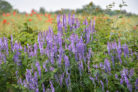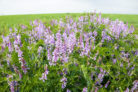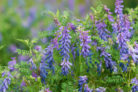
With their colorful, butterfly-like blooms, sweet peas are the undisputed stars of the summer garden. But as the days get shorter and the autumn chill sets in, their flowering season eventually comes to an end. So, what happens to the rest of the plant? Can any part of it survive the winter frost?
Understanding the Different Types of “Wickes”
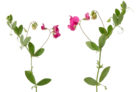
When botanists and home gardeners talk about “wickes” (or peas), they aren’t always talking about the same thing. A scientist sticks strictly to the *Vicia* genus. However, most of us gardeners also include several types of “vetchlings” or wild peas in that category—scientifically known as *Lathyrus*—because they look so similar to the real deal. This is why you’ll hear names like “Sweet Pea,” “Everlasting Pea,” or “Garden Pea” used somewhat interchangeably. Since this guide is for fellow garden lovers, we’re going to take a look at both types.
Many Varieties Are Annuals (And Not Winter-Hardy)
Both the *Vicia* and *Lathyrus* families have plenty of annual varieties. These beauties only live for the frost-free months of the year. Starting in late April, the seeds germinate and quickly take off, growing into climbing plants up to 6 feet tall that are eager to bloom. Their flowering season lasts until late autumn, at which point these plants die off because they simply can’t handle the freezing cold. The popular Sweet Pea—which is technically a *Lathyrus*—is one of these annual favorites.
Harvesting Seeds in the Fall
If you want to keep your annual peas coming back year after year, you’ll need to hold off on the pruning starting in late summer. Leave a few withered flowers on the vine so they can develop seed pods. Once the pods are completely dried out and pop open with just a little bit of finger pressure, the seeds are ripe. Let the seeds dry indoors for a few more days, then store them in a paper envelope in a cool, dry spot.
You can sow the seeds directly into your garden bed in late April. Alternatively, start your peas indoors in early February and transplant them outside in mid-May. Just a heads-up: if you want to prevent them from spreading like weeds all over your yard, make sure to harvest the pods before they drop their seeds on their own!
Perennial Peas Are Hardy and Come Back Every Year
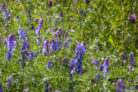
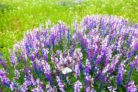
Perennial varieties, such as Bush Vetch, are multi-year plants and are quite winter-hardy. These tough plants die back to the ground in winter and sprout fresh new growth from their root system every spring.
- Don’t cut back the dead stems completely in the fall.
- The old growth actually acts as a natural layer of insulation against the cold.
- Wait until spring to grab your shears and cut the old stems down to the ground.
Pro Tip:
If you live in a particularly cold climate with harsh winters, it’s a good idea to give your perennial peas a little extra love. Even though they are hardy, tossing a few evergreen branches or some light mulch over the base of the plant will help them through the deepest freezes.